


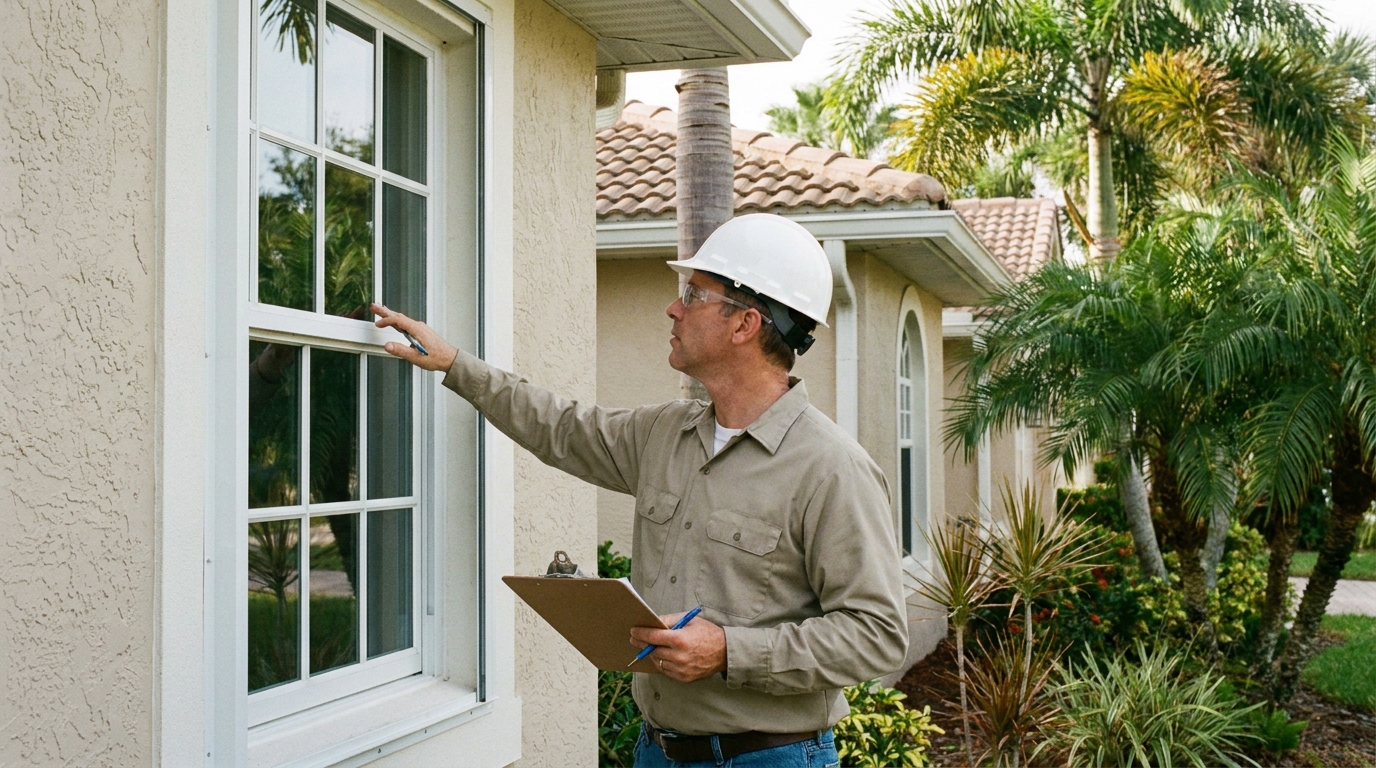
Yes, a permit is legally required to replace windows in Florida. Because the state faces intense tropical storms and severe hurricanes, local building departments mandate strict oversight for any structural modifications, including exterior openings. Securing a window replacement permit in Florida ensures that the new fixtures comply with stringent wind-load and impact-resistance standards, ultimately protecting the property from catastrophic weather damage.
Why is a Window Replacement Permit Required in Florida?
The state’s unique geographical location makes it highly susceptible to extreme weather, necessitating some of the most rigorous building regulations in the world. The requirement to permit window installations is not merely a bureaucratic administrative hurdle; it is a vital life-safety measure meant to protect occupants and neighboring properties.
How Does the Florida Building Code Protect Properties?
Following the devastating aftermath of Hurricane Andrew in 1992, the state completely overhauled its construction standards, leading to the creation of the modern Florida Building Code (FBC). The FBC mandates that the building envelope remains sealed during high-wind events. If a window shatters or blows out due to hurricane-force winds, the resulting pressurization inside the structure can literally lift the roof off the walls. To prevent such catastrophic failures, the code dictates precise design pressures that exterior fixtures must meet. The permitting process serves as the enforcement arm of these regulations, ensuring that unverified, substandard materials are not installed in residential or commercial properties.
What Are High-Velocity Hurricane Zones?
While the entire state operates under strict codes, specific regions face even higher threats. Miami-Dade and Broward counties are classified as High-Velocity Hurricane Zones (HVHZ). In these areas, standard building codes are elevated to require specialized impact-resistant glass and heavy-duty framing systems. Products installed in an HVHZ must possess a Miami-Dade Notice of Acceptance (NOA) or a specialized Florida Product Approval. Building department examiners rigorously scrutinize these engineering documents during the permit review phase to verify that the proposed materials have been tested against large-missile impacts and cyclic wind pressures.
What Does the Window Replacement Permit Process Look Like in Florida?
Understanding the bureaucratic pipeline helps property owners set realistic expectations for their renovation timelines. The journey from selecting new exterior fixtures to achieving final municipal approval involves multiple phases of documentation and local government review.
How Should Property Owners Prepare for the Permit Application?
Before any paperwork reaches the municipal building department, comprehensive preparation is required. The application packet must include detailed architectural drawings or floor plans indicating the exact location, size, and type of every window slated for replacement. Additionally, wind load calculations specific to the property’s location, roof height, and exposure category must be provided. For projects exceeding a specific financial threshold—typically $2,500—state law dictates that a Notice of Commencement must be legally recorded with the county clerk’s office and prominently displayed at the job site before any physical labor begins.
What Documentation is Submitted to the Building Department?
The formal application packet is extensive. It requires the property owner’s notarized signature, the licensed contractor’s credentials, proof of worker’s compensation insurance, and the manufacturer’s installation instructions for the specific fixtures. The most critical inclusions are the product approval documents, which demonstrate how the chosen windows meet the Florida Building Code’s structural and energy efficiency requirements. Florida’s Energy Conservation Code also mandates that new windows meet specific U-factor and Solar Heat Gain Coefficient (SHGC) ratings to reduce cooling loads on HVAC systems, all of which are verified through the permitting documents.
How Long Does the Approval Period Take?
Permit processing times vary drastically depending on the specific city or county. A small municipal building department might issue approvals within a few business days, while densely populated counties might require several weeks to review the engineering packets. Utilizing an experienced professional, such as the team at Florida Window & Door, can dramatically reduce delays. Established contractors understand the exact nuances and requirements of local building authorities, preventing applications from being rejected or delayed for missing details.
Who is Responsible for Pulling the Window Permit?
Determining who formally applies for the permit is a major decision that dictates legal and financial liability for the duration of the installation project.
Are Homeowners Allowed to Pull Their Own Permits?
Florida statutes do feature an owner-builder exemption. This law allows property owners to act as their own general contractor and pull permits for their primary residence, provided they are executing the manual labor themselves or directly supervising uncertified laborers. However, utilizing an owner-builder permit transfers all legal, financial, and structural liability directly to the homeowner. If the installation fails a municipal inspection, or if a worker is injured on the property, the homeowner bears the entirety of the consequences. Additionally, properties upgraded under this exemption typically cannot be sold or leased for twelve months following the project’s completion.
Why Should a Licensed Professional Handle the Bureaucracy?
Engaging a state-certified glazing or general contractor is the safest and most efficient method for executing exterior upgrades. A licensed professional pulls the permit under their own corporate license, absorbing the liability and guaranteeing that the workmanship aligns with state regulations. When researching about Florida Window & Door, property owners will discover that reputable installation companies maintain dedicated administrative teams that handle the entire permitting pipeline. This full-service approach shields the property owner from liability and ensures the project remains strictly compliant with all municipal codes.
What Happens During the Municipal Inspection Process?
Securing the physical permit document simply authorizes the commencement of labor. The project remains officially incomplete until a municipal building inspector physically visits the site and verifies the workmanship.
When Do Inspectors Visit the Property?
Depending on the scope of the renovation and the specific local government, an installation might require multiple site visits. The most common requirement is an in-progress inspection, frequently referred to as a bucking or fastener inspection. Once the old frames are removed and the new windows are set into the rough openings—but before the interior trim and exterior waterproofing are applied—the contractor pauses work and schedules an inspector. Following the successful completion of this phase, the final finishing work is executed, and a final inspection is scheduled to close out the permit.
What Are Building Inspectors Looking For?
During the crucial fastener inspection, the municipal official meticulously examines the hardware used to secure the window frame to the concrete block or wood framing of the home. The inspector cross-references the physical installation against the manufacturer’s approved engineering documents, ensuring that the exact required type, length, and spacing of screws or anchors have been utilized. During the final inspection, officials verify that all exterior sealants and caulking are properly applied to prevent water intrusion. Furthermore, they check that bedroom windows meet strict egress requirements, ensuring that the clear opening is large enough for occupants to escape—and for heavily equipped firefighters to enter—in the event of an emergency.
What Are the Consequences of Replacing Windows Without a Permit?
Attempting to circumvent the municipal building department to accelerate a timeline or reduce administrative fees is a severely misguided strategy. Unpermitted construction carries long-lasting financial and legal repercussions.
Can Unpermitted Work Impact Real Estate Transactions?
When a property enters the real estate market, buyers’ agents, mortgage lenders, and title companies conduct thorough background checks on the property’s public records. If a home boasts brand-new impact-resistant glass, but the municipal database shows no corresponding permits, the real estate transaction will likely face severe delays or complete cancellation. To rectify the situation, the homeowner must apply for an after-the-fact permit. This punitive process often involves paying double the standard application fees, hiring an engineer to certify the work, or physically removing drywall and stucco so inspectors can examine the hidden fasteners. In worst-case scenarios, non-compliant fixtures must be entirely removed and replaced.
Will Unpermitted Installations Void Homeowners Insurance?
Insurance carriers rely heavily on municipal building departments to verify the structural integrity of the properties they underwrite. If a severe tropical storm damages a residence and the subsequent insurance investigation reveals that the blown-out windows were installed without legal permits, the carrier has grounds to completely deny the damage claim. Moreover, Florida homeowners are legally entitled to windstorm mitigation discounts on their insurance premiums if their homes feature certified impact-resistant protections. To qualify for these significant annual savings, the property owner must provide documented proof of permitted, code-compliant installations. Those ready to upgrade their property legally and safely should request a free estimate from certified experts who meticulously manage the regulatory requirements.
Frequently Asked Questions
Do property owners need a permit for a single window replacement in Florida?
Yes. The Florida Building Code requires a permit for any exterior window or door replacement, regardless of the quantity. Even swapping out a single small bathroom window necessitates municipal approval and an inspection to verify structural compliance and wind-load resistance.
How much does a window replacement permit cost in Florida?
Permit fees are determined by individual municipal or county building departments, meaning costs vary widely across the state. Fees are typically calculated based on the total estimated value of the installation project, combined with administrative processing charges and state surcharges.
Can a homeowners association block a window replacement permit?
While a homeowners association cannot overrule the local building department’s safety codes, they do hold the legal authority to enforce community aesthetic guidelines. Property owners living in an HOA community must secure written approval from their architectural review board before submitting a permit application to the city or county.
Does a window replacement permit expire in Florida?
Yes, building permits in Florida generally expire if no approved inspections occur within a 180-day period. Once a permit is issued, the installation must commence, and regular inspections must be scheduled to keep the permit active until the final completion is recorded.
Are impact windows required everywhere in Florida?
Impact-resistant windows are strictly mandated in High-Velocity Hurricane Zones, such as Miami-Dade and Broward counties, and in coastal areas designated as wind-borne debris regions. In inland areas with lower design pressure requirements, property owners may install non-impact windows, provided they utilize approved exterior shutters to protect the openings during a storm.
