

It’s Spring. A tropical storm just entered the Gulf, and your phone is buzzing with alerts.
You glance at your windows – the same ones that came with the house – and you wonder: “Would these actually hold up?”
For a lot of Florida homeowners, the honest answer is: probably not. You can often tell a home isn’t hurricane-ready if the windows are older, unrated, or single-pane – or if you’ve noticed drafts, rattling, or moisture getting in during past storms. Hurricane impact windows are built differently. They’re engineered and tested to stay intact through Category 1 to 5 storms, protecting your family and your home’s structure – without any pre-storm setup required.
Florida Window & Door has helped homeowners across the state recognize the warning signs early – and upgrade before a storm forces the question.
How Do You Know If Your Windows Will Fail in a Hurricane?
The short answer: most homeowners don’t know – until a storm makes it obvious.
Standard builder-grade windows aren’t designed to handle hurricane-force winds or flying debris. They’re built to keep rain out on a Tuesday in March, not to hold together when a Category 3 is pushing 130 mph winds and launching two-by-fours like missiles.
The good news is you don’t have to wait. There are clear, recognizable signs that your windows aren’t up to the task – and once you know what to look for, the path forward is straightforward.
What Are the 7 Signs Your Windows Aren’t Hurricane-Ready?
The most common warning signs are single-pane glass, windows installed before 2002, reliance on seasonal shutters, drafts or rattling around frames, no impact rating label, location in a wind-borne debris zone, and neighbors who are already upgrading. Here’s what each one means for your home.
- Sign 1: Your Windows Are Single-Pane Glass
Take a close look at your windows. If you can feel outside temperature through the glass when you press your hand against it, there’s a good chance you have single-pane glass.
When a hurricane drives flying debris into single-pane glass, it doesn’t crack – it shatters. And the moment that window gives way, wind floods the interior, rain pours in, and the pressure change becomes one of the leading causes of roof uplift.
Single-pane glass is one of the clearest signs a home is not well protected against hurricane debris.
- Sign 2: Your Windows Were Installed Before 2002
After Hurricane Andrew devastated South Florida in 1992, the state spent years rebuilding – and rethinking its building codes. By 2002, Florida had implemented significantly stricter wind-resistance standards for windows and doors.
If your home was built or last renovated before those updates, your windows may not meet today’s requirements. This is especially common in older neighborhoods across Central Florida and the Orlando metro, where many homes were built in the 1970s, ‘80s, and ‘90s.
You might not see anything obviously wrong. The windows might look fine. But “looks fine” and “hurricane-rated” are two very different things.
- Sign 3: You Rely on Hurricane Shutters Every Storm Season
If you’ve lived in Florida for more than a few years, you know the drill.
Storm enters the Gulf. You watch the track maps obsessively. You call your neighbor to help lift the metal panels. You realize one bolt is missing. You make a hardware store run with half of Volusia County.
It’s exhausting – and largely avoidable. Hurricane impact windows can largely eliminate that pre-storm scramble, meaning no rushed setup, no storage hassle, and no relying on a forecast that may shift overnight. Note: In many Florida jurisdictions, certified impact windows are approved as an equivalent form of protection to hurricane shutters for covered openings. Requirements vary by zone and project type, so verify with your local building department to confirm what applies to your home.
- Sign 4: You Can Feel Air or Hear Wind Around Your Window Frames
Stand next to one of your windows on a windy day. Put your hand near the frame. Do you feel a draft? Can you hear the wind pushing through gaps you can’t even see?
That’s not just a comfort problem. Those gaps are pressure points. In a major storm, they’re where failure begins.
Florida’s heat and humidity cycle – expand, contract, year after year – works on window frames the same way it works on everything else. Seals loosen. Frames shift. What was tight ten years ago may not be tight today. This is one of the most common issues in older homes across coastal Volusia and Flagler counties, and throughout Central Florida neighborhoods built before modern window standards.
- Sign 5: Your Windows Have No Impact or Wind-Resistance Rating Label
Certified hurricane impact windows don’t just claim to be safe – they prove it. Every qualifying window carries a Miami-Dade NOA (Notice of Acceptance) label or a Florida Product Approval number, issued after rigorous independent testing.
Check the corner of your window glass or the frame. If there’s no rating label or documentation, those windows haven’t been tested to hurricane standards. Your local building department can help you verify compliance using your home’s permit history.
- Sign 6: Your Home Is in a Wind-Borne Debris Zone
Florida has officially designated wind-borne debris regions – particularly along coastal communities like New Smyrna Beach and Palm Coast, where Atlantic storm tracks make direct impact more likely. Under Florida Building Code, these zones require impact-rated windows or approved shutters for new construction and significant remodels. The Florida Division of Emergency Management provides storm risk resources by county to help you find out if your address falls within one of these zones.
Even some inland areas can fall within high-wind zones depending on your county – worth checking if you’ve never confirmed.
- Sign 7: Your Neighbors Are Upgrading – And You’re Starting to Wonder Why
You’ve seen the trucks. Maybe a crew was working two doors down last month, pulling out old windows and replacing them with something thicker, quieter, more substantial. You didn’t think much of it at the time.
But here you are, reading this article. And that probably means something.
Florida homeowners upgrade to impact windows for a lot of reasons – and hurricane season is usually what moves them from “thinking about it” to actually doing it. Once they’re in, most wish they’d done it sooner: not just for storm protection, but for the quieter house, the lower electric bills, the easier sleep when a storm is in the forecast.
A free inspection is the easiest way to find out exactly where you stand.
Why Impact Windows Beat Shutters for Year-Round Protection
Hurricane shutters solve one problem: the storm that’s already in the forecast. Impact windows solve that problem – and every other one that comes with owning a home in Florida.
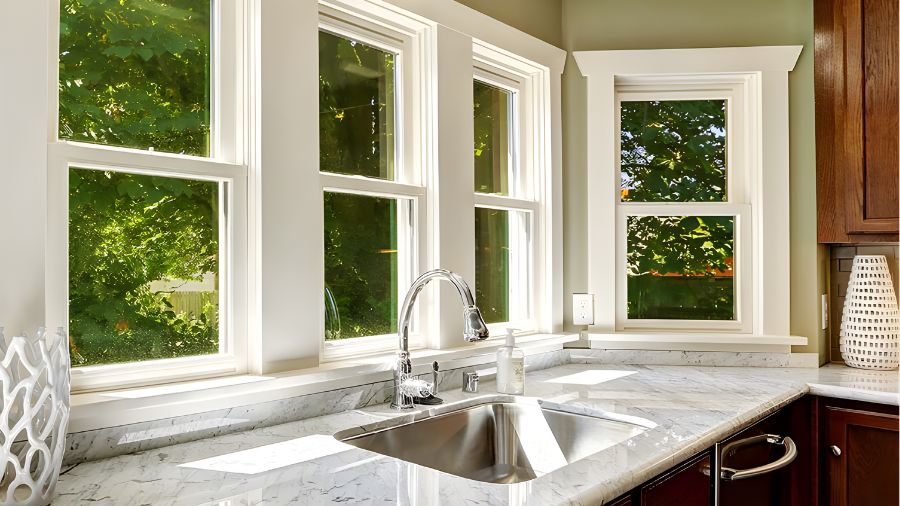
Think about how impact window glass is made: two panes bonded together with a membrane in between, similar in principle to how your car windshield is built. When debris strikes it, the glass may crack, but the membrane holds everything together. The window stays in place. The pressure inside your home stays stable. Your roof stays on.
No setup. No storage. No scrambling when a storm jumps from a tropical depression to a Category 2 overnight.
In many Florida jurisdictions, certified impact windows are approved as an equivalent form of protection to hurricane shutters – meaning you typically wouldn’t need both for covered openings. Local requirements vary, so a qualified installer like Florida Window & Door can help you navigate compliance when you schedule a free inspection.
The Right Time to Upgrade Is Before You Need To
Before hurricane season. Not during. Definitely not after.
That sounds obvious, but you’d be surprised how many Florida homeowners put this off until a storm is already named and tracking toward their coast. By then, installation timelines stretch and options narrow quickly.
If any of the following apply, scheduling a professional evaluation now is the right move:
- Your windows are more than 15–20 years old
- You’re located in a wind-borne debris zone or coastal community
- You’ve noticed rattling, drafts, or moisture getting in during past storms
- You’re tired of the seasonal shutter routine
- You want to reduce energy bills and improve year-round comfort
- You’re looking to potentially lower your homeowners insurance premium
None of those feel urgent in January. All of them feel very urgent in August.
What Florida Homeowners in These Markets Need to Know
The risk is real across the state – but it looks a little different depending on where you live.
Central Florida and the Orlando Metro
Inland homeowners sometimes tell themselves they’re protected by distance. And it’s true that by the time a major hurricane reaches Central Florida, it’s usually weakened. But “weakened” doesn’t mean “safe.”
The Orlando area has taken meaningful wind damage from multiple recent storms, and many of its older neighborhoods – built in the ‘70s, ‘80s, and ‘90s – still have windows installed under pre-2002 codes. You can’t see the difference from the outside. A free inspection is the only way to know for certain.
New Smyrna Beach and Coastal Volusia County
If you’ve lived in New Smyrna Beach for any length of time, you already know how fast a storm track can shift. The mid-Atlantic coast of Florida sees some of the highest frequency of direct storm impacts in the continental U.S., according to the National Hurricane Center. Homes here are subject to Florida’s wind-borne debris zone requirements for new construction and significant remodels.
If your home predates recent building code updates, a window evaluation isn’t optional – it’s overdue.
Palm Coast and Coastal Flagler County
Palm Coast has grown fast. Many newer homes here already meet current impact standards. But plenty of older homes in Flagler County don’t – and coastal exposure, storm surge proximity, and direct hurricane track frequency make this one of the highest-priority areas in the state for impact window upgrades.
Your local building department can confirm what current code requires for your specific property and project type.
The Upgrade Is More Affordable Than Most Florida Homeowners Expect
Replacing windows and doors is a significant expense – Florida Window & Door knows that, and we’ve built our business around making it workable.
More than 80% of our customers use some form of financing to complete their project. Our Financing Department offers options ranging from zero money down with no payments for 12 months, to 30-year payment programs – with no prepayment penalties and often regardless of credit score. Whatever your situation, our finance team is focused on getting your project approved.
For homeowners who qualify, there’s also PACE financing through FortiFi. Available since 2015, the PACE (Property Assessed Clean Energy) program offers low-interest, long-term financing for energy and water-saving upgrades – with no upfront costs and no minimum credit score required. Repayment happens over time through your property tax bill, and all products installed under the program must meet government efficiency or performance standards.
Explore your options on the window and door financing options page, or ask when you schedule your free inspection.

Life After Impact Windows: What Florida Homeowners Actually Experience
The first thing most homeowners feel is relief.
The windows are in. The home is protected. Hurricane season becomes something you track on the news – not something you dread and prepare for with military precision every June.
From a code and safety standpoint, Florida Window & Door installs impact windows and doors engineered and tested for severe hurricane conditions, helping your home meet or exceed current Florida Building Code requirements where applicable.
Beyond that, homeowners consistently report:
- Greater day-to-day security – reinforced frames and multi-point locking systems make a real difference
- A cooler home – customers regularly notice reduced AC use, even in peak Florida summer
- A noticeably quieter house – impact glass cuts outside noise in a way that’s hard to appreciate until you experience it
- Improved curb appeal and increased property value
- Potential eligibility for windstorm mitigation discounts on homeowners insurance – worth checking with your insurer after installation
Don’t take our word for it. See what Florida homeowners have to say in customer testimonials from across the state.
Is Your Home Ready for the Next Major Florida Storm?
Here’s the thing about Florida weather: it doesn’t give you much warning. A storm can go from a tropical depression to a Category 3 in 48 hours. By the time you’re watching mandatory evacuation orders on the news, it’s too late to schedule an installation.
If any of the 7 signs above sounded familiar – old windows, no rating label, seasonal shutters, drafts around the frames – you already have a clear picture of your risk.
For many Florida homes that show these signs, the question usually isn’t whether to upgrade – it’s when. And the answer to that one is almost always: sooner than you think.
Florida homeowners in Orlando, New Smyrna Beach, Palm Coast, and communities across the state can schedule a free inspection with Florida Window & Door today. No pressure, no obligation – just a clear picture of where your home stands and what your options are. Including how to pay for it.
Explore the full range of impact windows and doors and take the first step before the next storm takes it for you.

Frequently Asked Questions: Hurricane Impact Windows in Florida
How can I tell if my current windows are hurricane-rated?
Look for a Miami-Dade NOA label or a Florida Product Approval sticker on the window frame or glass. You can also check with your local building department using your home’s permit history. If you can’t find any documentation – especially if your windows are more than 15 years old – a professional evaluation is the most reliable next step. Most homeowners are surprised by what they find out.
Are impact windows required in my part of Florida?
It depends on your location, your home’s age, and the type of project. Florida Building Code currently requires impact-rated windows or approved shutters in designated wind-borne debris regions, primarily for new construction and significant remodels. Your local building department can confirm whether your address is in one of these zones and what specifically applies to your situation.
Do hurricane impact windows replace the need for shutters?
In many Florida jurisdictions, certified impact windows are approved as an equivalent form of protection to hurricane shutters for covered openings – meaning you typically wouldn’t need both. However, local requirements vary by zone, county, and project type. Confirm with your local building department or a qualified installer before assuming shutters are no longer needed.
Will hurricane impact windows lower my homeowners insurance in Florida?
They may. Florida homeowners with impact-rated windows and doors can often qualify for windstorm mitigation discounts. The amount varies by insurer and policy. Check directly with your insurance provider after installation – some homeowners are pleasantly surprised by the savings.
How long does it take to install impact windows in an occupied home?
For a typical single-family Florida home, installation is typically completed in one to three days, depending on the number of windows and the complexity of the project. Florida Window & Door’s crews work professionally and cleanly throughout – most homeowners stay in their homes the whole time and barely notice the disruption.
Ready to find out where you actually stand? Get your free quote today – Florida Window & Door serves homeowners across Central Florida, coastal Volusia and Flagler counties, and communities throughout the state.