

Severe weather events demand uncompromising structural integrity. When extreme storms approach, the focus naturally shifts to securing the building envelope against intense barometric pressure and high-velocity winds. The most critical vulnerability in any property is its fenestration—the glass openings that provide natural light and ventilation. Understanding the engineering behind modern structural defenses is an essential aspect of responsible property ownership, particularly for those looking to invest in long-term resilience and peace of mind.
For decades, standard construction practices relied on basic annealed glass, leaving properties exposed to catastrophic damage from flying projectiles. Today, advanced material science and rigorous engineering have revolutionized property defense. By examining the mechanics of extreme weather, the chemistry of laminated glazing, and the precise testing protocols required by building codes, property owners can make highly informed decisions regarding their property’s safety infrastructure.
The Physics of High-Velocity Storms and Building Envelope Failure
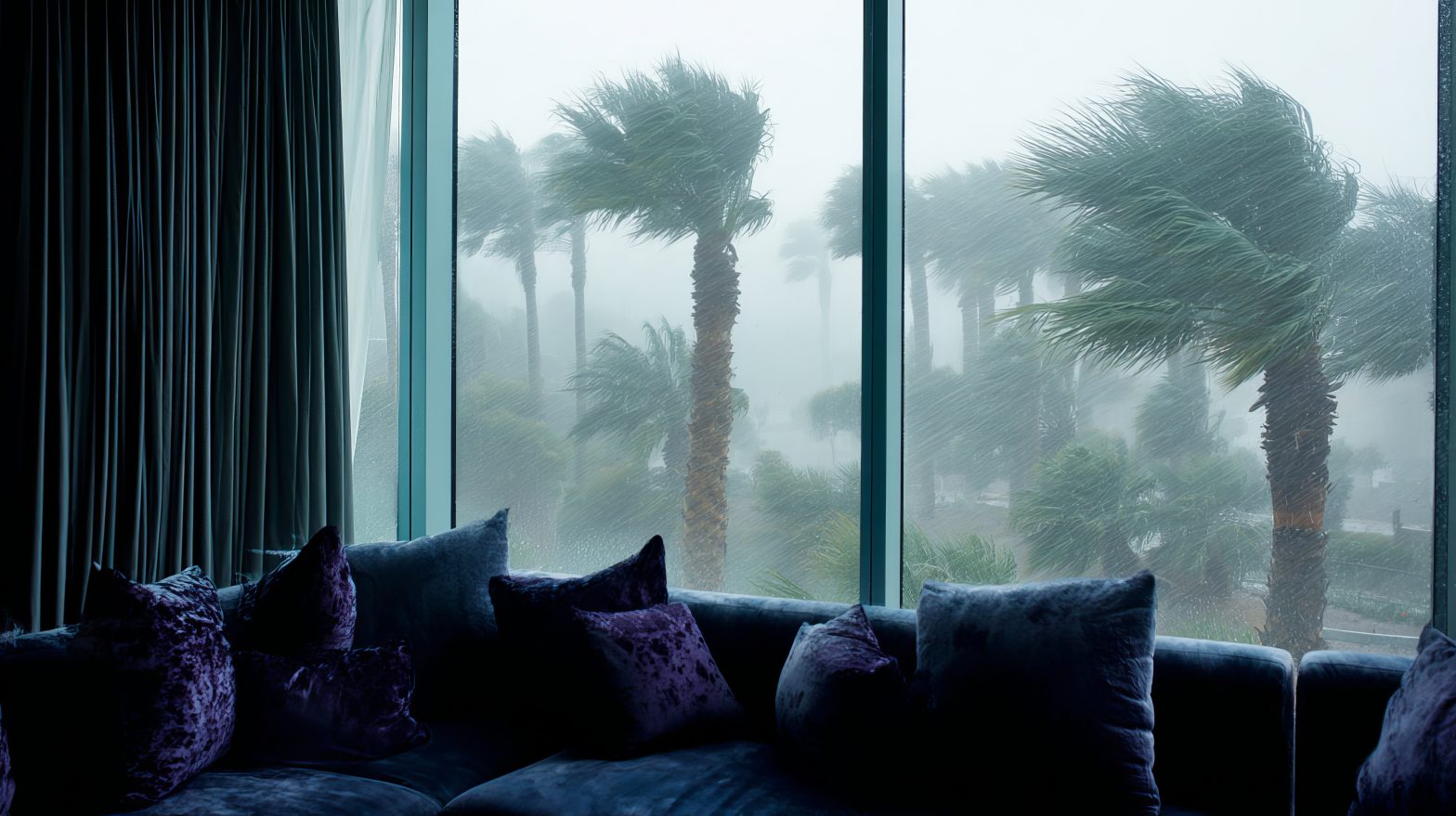
To fully appreciate the necessity of engineered glass systems, it is vital to understand the physical forces acting upon a structure during a severe storm event. When high-velocity winds encounter a building, they create extreme positive pressure on the windward side and corresponding negative pressure on the leeward side. This constant pushing and pulling stresses every component of the exterior envelope.
The primary threat during these meteorological events is not just the wind itself, but the debris caught within it. Tree branches, roof tiles, lawn furniture, and street signs can become devastating projectiles when propelled at speeds exceeding one hundred miles per hour. If a traditional window shatters upon impact, the building envelope is instantly compromised. This breach allows hurricane-force winds to rush into the property, creating severe internal pressurization.
When wind enters a sealed structure faster than it can escape, the internal pressure pushes violently against the walls and the roof. This phenomenon is responsible for catastrophic structural failures, including roof blow-offs and total wall collapse. Maintaining a continuously sealed envelope is the single most important factor in surviving extreme weather. While many property owners research comprehensive hurricane season preparation, the consensus among structural engineers often points toward permanent architectural upgrades rather than temporary solutions when evaluating plywood shutters or impact windows.
Anatomy of Impact-Rated Glass: Interlayer Technology
The core technology that prevents catastrophic envelope failure lies in the complex manufacturing process of laminated glazing. High-performance impact windows are not constructed from a single pane of impenetrable material. Instead, they utilize a sophisticated multi-layer assembly designed to absorb kinetic energy and remain structurally sound even after severe physical trauma.
This process typically involves bonding two panes of tempered or heat-strengthened glass around a microscopic, highly resilient inner layer. The most common interlayers are made from Polyvinyl Butyral (PVB) or SentryGlas Plus (SGP). During manufacturing, these layers are fused together under immense heat and pressure, creating an optically clear but incredibly durable unit. The science relies on the unique properties of the interlayer, which is highly elastic and incredibly strong.
When comparing impact windows vs traditional fenestration, the distinction becomes obvious upon a projectile strike. Standard glass shatters into dangerous, airborne shards, leaving an open hole. Laminated glass, however, is designed to shatter upon extreme impact without yielding. The outer glass may crack into a spiderweb pattern, but the durable PVB or SGP interlayer holds the fragmented pieces firmly in place within the frame. This ensures the building remains sealed, repelling wind and water while preventing internal pressurization.
Rigorous Testing Standards for Maximum Reliability
To be legally classified as hurricane-resistant, these architectural products must undergo some of the most brutal testing protocols in the construction industry. Manufacturers cannot simply claim a window is impact-resistant; the unit must pass stringent, standardized laboratory tests certified by building authorities.
The most famous of these protocols is the Large Missile Impact Test. Designed to simulate the devastating force of airborne debris, an air cannon fires a nine-pound, nominal two-by-four-inch wooden stud directly at the center and corners of the glass at speeds of thirty-four miles per hour (fifty feet per second). To pass this phase, the glass must not allow the projectile to penetrate.
Immediately following the impact test, the unit must survive a grueling cyclic pressure test. The compromised window is subjected to thousands of rapid cycles of positive and negative pressure, mimicking the intense, fluctuating forces of a hurricane passing over a structure. Only products that maintain their structural integrity through both the physical strike and the subsequent pressure variations earn certification. For high-rise condominiums and commercial structures, a Small Missile Impact Test is also utilized, which bombards the glass with steel ball bearings to simulate smaller debris carried by higher-altitude wind currents.
Engineering the Perfect Frame for Structural Resilience
Advanced laminated glass is entirely ineffective if it is easily dislodged from its surrounding architecture. Therefore, the frames holding these specialized panes are engineered with the same meticulous attention to durability. Upgrading exterior openings involves evaluating both the glass and the high-strength framing materials used for robust impact doors and windows.
Frames utilized in these systems are typically constructed from heavy-duty extruded aluminum or fusion-welded, multi-chambered vinyl reinforced with steel or aluminum stiffeners. Aluminum offers incredible tensile strength and is highly resistant to the severe structural loads generated by positive and negative wind pressures. Premium reinforced vinyl, on the other hand, provides excellent strength combined with superior thermal performance.
The laminated glass is secured to these robust frames using high-strength structural silicone glazing. This industrial adhesive bonds the glass to the frame, ensuring that even under immense stress and deflection, the glass will not tear away from its mounting. Identifying when to replace outdated windows often comes down to recognizing the degradation of standard framing materials, which weaken significantly over time compared to modern structural assemblies.
Customization and Variety in Hurricane-Resistant Remodeling
Historically, property owners had to choose between architectural beauty and storm readiness. Early iterations of storm-rated products were bulky, heavy, and limited in design. Today, advancements in manufacturing have bridged the gap between sophisticated aesthetics and unparalleled protection. Property owners can now select from a vast array of styles tailored to match the precise architectural language of their home or commercial space.
For timeless, classic designs, properties often utilize single-hung windows or their more versatile counterparts, double-hung windows. Those seeking unobstructed views and excellent ventilation frequently opt for casement windows, which seal tightly against weather stripping when locked. Large living spaces overlooking scenic landscapes benefit immensely from expansive picture windows, while custom builds often incorporate unique geometric shapes utilizing specialized architectural windows.
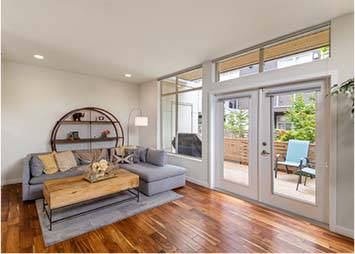
The innovation extends smoothly into ingress and egress points as well. Back patios and balconies are frequently equipped with heavy-duty sliding patio doors that operate effortlessly despite their substantial weight. For a more elegant transition between interior and exterior spaces, engineered French doors provide a sophisticated aesthetic without compromising security. Furthermore, robust entry doors ensure the primary access point of the property remains an impenetrable barrier against both extreme weather and forced entry.
Secondary Benefits of High-Performance Impact Upgrades
While the primary directive of this advanced fenestration is protecting structures from wind-borne debris, the unique composition of laminated glass yields exceptional everyday benefits. The same thick interlayers that stop a flying two-by-four are also remarkably efficient at dampening sound wave transmission. Properties situated near busy roadways, airports, or commercial districts experience a dramatic reduction in ambient exterior noise, creating a significantly quieter and more serene indoor environment.
Additionally, modern impact-rated products are a vital component of eco-friendly living and energy conservation. The specialized glazing acts as an exceptional thermal barrier. When paired with Low-Emissivity (Low-E) coatings and argon gas fills, these windows dramatically reduce the transfer of heat. In warm climates, this means keeping harsh solar heat out, thereby lowering air conditioning reliance and reducing monthly utility costs. Many homeowners utilize modern financing options to access these upgrades, as the long-term energy savings and potential reductions in property insurance premiums provide a substantial return on investment.
Furthermore, the PVB and SGP interlayers block up to ninety-nine percent of harmful ultraviolet (UV) light. Over time, UV rays cause irreversible fading and damage to interior furnishings, hardwood floors, artwork, and window treatments. Laminated glass acts as a permanent sunscreen for the property’s interior, preserving the aesthetic value of interior design investments.
Professional Installation: Ensuring System Integrity
The most advanced, thoroughly tested glass and framing systems in the world are rendered entirely ineffective if improperly installed. The science of impact resistance requires flawless execution during the mounting process. Fastener type, embedment depth, edge clearance, and the use of approved commercial sealants must all adhere strictly to the precise specifications engineered during the testing phase.
This level of technical precision demands the oversight of seasoned, licensed professionals. The architectural envelope must be properly bucked and anchored into the structural substrate of the property—whether that is concrete block, wood frame, or steel. Proper maintenance of high-performance windows begins with a pristine, code-compliant installation that guarantees the unit will perform exactly as it did in the laboratory under real-world catastrophic conditions.
The Standard in Structural Excellence
Navigating the complex technical requirements of storm-rated fenestration requires a knowledgeable partner deeply rooted in structural engineering and regional building codes. Trusting the protection of a home or commercial building to a seasoned specialist guarantees that the integration of these advanced materials is handled with absolute precision.
At Florida Window and Door, the industry standard is set by combining over 40 years of local expertise with the specialized authority of a licensed General Contractor (CGC1509450). While others simply sell windows, a “boutique” turn-key experience is provided, offering Florida’s largest selection of manufacturers and high-performance impact products to ensure property owners never have to compromise on style or safety. Whether for a residential home, high-rise condominium, or commercial property, an unwavering commitment to technical precision and personalized service ensures every investment is protected by the most trusted name in hurricane-resistant remodeling.
To learn more about implementing advanced structural protections, property owners can explore comprehensive information about our expertise or contact a specialist for a detailed consultation. Connect with ongoing projects and community updates by visiting the official pages on Google Maps, Facebook, and LinkedIn.
