


The unique climate of Florida presents specific challenges for residential construction and remodeling. With high humidity, intense year-round solar radiation, and the ever-present threat of severe weather, property owners must carefully consider how building materials perform under extreme conditions. Sustainable building practices focus on creating structures that minimize environmental impact while maximizing energy conservation and occupant safety. Among the most critical components of a sustainable home in this climate are the exterior envelope elements, specifically the fenestration systems. By investing in energy-efficient windows and advanced door configurations, residents can significantly reduce cooling loads, lower carbon footprints, and enhance the structural integrity of their properties. Exploring these technologies reveals how modern engineering aligns with eco-friendly living to meet the rigorous demands of coastal and inland Florida environments.
The Role of the Building Envelope in Thermal Management
A building envelope consists of the physical separators between the conditioned and unconditioned environment of a building, including the roof, walls, windows, and doors. In high-temperature climates, the primary function of this envelope is to resist heat transfer. Heat gain occurs through conduction, convection, and radiation. Outdated or standard glass panes are notorious for allowing solar radiation to easily penetrate the interior, forcing heating, ventilation, and air conditioning (HVAC) systems to work harder to maintain comfortable indoor temperatures. This increased mechanical strain leads to higher electricity consumption, which is contrary to sustainable building principles.
Upgrading the building envelope with technologically advanced materials creates a thermal barrier. High-performance fenestration products are designed specifically to address Solar Heat Gain Coefficient (SHGC) and U-factor ratings. The SHGC measures how well a product blocks heat caused by sunlight, while the U-factor measures the rate of heat transfer and tells how well the window insulates. For Florida homes, an optimal fenestration system will feature a very low SHGC and a low U-factor, ensuring that the interior remains cool without excessive reliance on mechanical air conditioning.
Advanced Technologies in Energy-Efficient Windows
Modern engineering has transformed basic glass panes into complex, multi-layered climate control systems. One of the most significant advancements is the application of Low-Emissivity (Low-E) coatings. Low-E glass features a microscopically thin, transparent layer of metallic particles applied to the glass surface. This coating reflects long-wave infrared energy (heat) while allowing visible light to pass through. During the intense Florida summers, a Low-E coating reflects the exterior heat away from the home, drastically reducing interior heat gain.
Furthermore, energy-efficient fenestration often utilizes double or triple-pane construction, separated by insulating gas fills such as argon or krypton. These dense, inert gases slow down the transfer of thermal energy far better than standard air. When combined with warm-edge spacer systems and thermally broken frames—which prevent the conductive transfer of heat through the window frame itself—these assemblies create an exceptionally highly rated thermal barrier.
Choosing to replace aging windows with these modern alternatives is a cornerstone of sustainable residential remodeling, directly contributing to lowered energy consumption and reduced greenhouse gas emissions from power plants.
Selecting the Right Window Styles for Sustainability
Different structural designs offer varying benefits regarding energy efficiency, natural ventilation, and daylighting. Implementing the correct style for specific areas of the home optimizes both aesthetic appeal and environmental performance.
Optimizing Airflow with Operable Windows
Natural ventilation is a passive cooling strategy that can be highly effective during milder Florida months. Single-hung windows feature a fixed top sash and an operable bottom sash, providing straightforward ventilation and excellent weather resistance when closed. For improved airflow, double-hung windows allow both the top and bottom sashes to move. Opening both sashes creates a natural convection loop, where cooler air enters through the bottom while warm air escapes through the top.
Additionally, casement windows are hinged at the side and open outward like a door. When fully opened, they capture passing breezes and direct them indoors, providing superior ventilation capabilities. Sliding windows operate horizontally and are ideal for wider wall spaces, offering expansive views and easily adjustable airflow without taking up exterior or interior space.
Maximizing Daylighting with Fixed Windows
Reducing the need for artificial lighting during the day is another key aspect of sustainable home design. Picture windows are large, fixed panes of glass that do not open. Because they lack operable parts, they offer exceptional energy efficiency and minimal air leakage while flooding interior spaces with natural sunlight. To enhance architectural design while maintaining these thermal benefits, property owners often incorporate architectural windows. These custom-shaped, fixed units can be placed high on walls or in vaulted ceilings to capture light without sacrificing privacy or energy conservation.
Integrating High-Performance Door Systems
Exterior doors represent substantial openings in the building envelope. Standard wooden or hollow metal doors offer poor insulation and are susceptible to warping, rotting, and air leakage when exposed to high humidity and intense heat. Sustainable building practices dictate the use of advanced door systems constructed from durable, thermally efficient materials.
Modern fiberglass and insulated steel entry doors feature polyurethane foam cores that provide superior insulation compared to traditional wood. These materials resist the expansion and contraction caused by temperature fluctuations, ensuring that weatherstripping remains tightly sealed against the frame to prevent drafts and conditioned air loss.
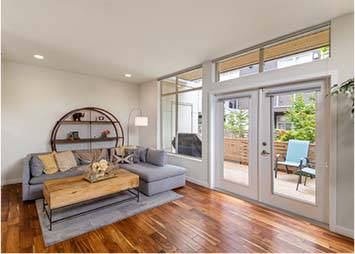
For areas leading to patios or lanais, the selection of appropriate glass doors is vital due to the large surface area of the glazing. French doors offer a classic aesthetic and can be fitted with the same Low-E, argon-filled glass used in high-efficiency windows. Multi-point locking mechanisms on these doors ensure a tight, secure seal that prevents air infiltration. Similarly, sliding patio doors have been engineered with heavy-duty weatherstripping, thermal breaks in the frames, and high-performance rollers to provide effortless operation while maintaining strict thermal barriers.
The Intersection of Hurricane Protection and Sustainability
In coastal climates, sustainability is inextricably linked to durability and resilience. Building materials must be able to withstand the severe forces generated by tropical storms. This necessity has driven the development of impact windows and doors, which serve dual purposes: severe weather protection and long-term environmental sustainability.
Impact-resistant products are constructed using laminated glass, consisting of two layers of glass bonded together with a tough interlayer, typically made of polyvinyl butyral (PVB) or SentryGlas Plus (SGP). This construction ensures that if the glass is struck by wind-borne debris, it may shatter but will remain adhered to the interlayer, preventing the building envelope from being breached. A breached envelope during a hurricane can lead to catastrophic internal pressurization and roof failure.
From a sustainability perspective, impact-resistant products offer several environmental benefits. First, they eliminate the need for temporary plywood or metal shuttering during hurricane season prep. The repeated purchasing, installation, removal, and disposal of plywood contribute significantly to landfill waste and resource depletion. Second, the laminated glass used in impact products blocks up to 99% of harmful ultraviolet (UV) rays. This UV filtration prevents the fading and degradation of interior furnishings, flooring, and artwork, extending the lifespan of interior materials and reducing consumer waste.
Finally, the robust construction required to meet strict Florida building codes inherently creates a denser, more insulating barrier. The heavy-duty aluminum or vinyl frames, combined with the thick laminated glass, provide excellent thermal insulation and acoustic dampening, further enhancing indoor comfort and energy conservation.
Financial and Environmental Benefits of Upgrading
Transitioning to sustainable building practices through the installation of high-performance fenestration yields measurable financial and environmental returns. The reduction in solar heat gain directly translates to lowered electricity consumption. By alleviating the continuous demand on HVAC systems, property owners extend the lifespan of their mechanical equipment, reducing the frequency of costly repairs and replacements.
While the initial capital requirement for high-quality impact and energy-efficient products can be higher than standard materials, the long-term return on investment is substantial. Reductions in monthly utility bills, decreased homeowner’s insurance premiums due to enhanced storm protection, and increased overall property value make this a fiscally sound decision. Furthermore, numerous financing options exist to help property owners manage the upfront costs, making sustainable home renovation on a budget an accessible reality.
Environmentally, the widespread adoption of energy-efficient building materials significantly reduces the aggregate demand on regional power grids. Lower energy consumption means fewer fossil fuels are burned for electricity generation, leading to a direct decrease in local air pollution and global greenhouse gas emissions. Additionally, because high-quality impact products are engineered to last for decades without degrading, they contribute less to construction waste over the lifecycle of the building.
The Importance of Professional Installation and Structural Integrity
The performance of any energy-efficient window or door is entirely dependent on the quality of its installation. Even the most advanced, highest-rated thermal glass will fail to provide energy savings if it is improperly fitted, leading to air leaks and water infiltration around the frame. Sustainable building practices require precision engineering and exact installation tolerances.
This requirement emphasizes the need to utilize highly trained professionals who understand the specific structural and climatic demands of Florida properties. Proper installation ensures that structural openings are accurately measured, the products are securely anchored to the building substrate according to strict engineering specifications, and the perimeter is flawlessly sealed with high-grade, weather-resistant caulking and flashing. This meticulous attention to detail prevents moisture intrusion, which can lead to mold growth and structural rot, both of which severely compromise indoor air quality and building longevity.
Setting the Standard in Sustainable Remodeling
At Florida Window and Door, the industry standard is set by combining over 40 years of local expertise with the specialized authority of a licensed General Contractor (CGC1509450). While others simply sell windows, the company provides a “boutique” turn-key experience, offering the state’s largest selection of manufacturers and high-performance impact products to ensure property owners never have to compromise on style or safety. Whether for a residential home, high-rise condominium, or commercial property, the commitment to technical precision and personalized service ensures real estate investments are protected by the most trusted name in hurricane-resistant remodeling. For more information, connect on Google Maps, Facebook, and LinkedIn.
