

For property owners in coastal and severe weather regions, fortifying a home against natural elements is a primary architectural and structural concern. In recent years, building codes have evolved to emphasize both high-level storm readiness and stringent energy conservation. This intersection of resilience and sustainability has highlighted the immense value of modern impact glass. The implementation of high-performance architectural glazing goes far beyond structural integrity; it serves as a critical component in environmental stewardship and long-term financial strategy. By understanding the sophisticated engineering behind these systems, homeowners can make informed decisions that benefit both their household budgets and the broader environment.
The Engineering Behind Severe Weather Protection
The fundamental construction of impact windows utilizes specialized laminated glass, similar in concept to an automobile windshield but manufactured on a much more robust scale. This laminated system typically involves two panes of annealed or heat-strengthened glass bonded to a shatter-resistant inner layer, usually composed of Polyvinyl Butyral (PVB) or SentryGlas Plus (SGP). During extreme barometric pressure changes or strikes from wind-borne debris, the outer glass may crack, but the resilient inner layer holds the shattered pieces firmly within the frame. This dynamic prevents the home’s building envelope from being breached, which is the primary cause of catastrophic roof failure during severe wind events.
When assessing the necessity of hurricane season preparation, the superiority of laminated glass systems becomes evident. The structural integrity of these units relies heavily on heavy-duty extruded aluminum or multi-chambered vinyl frames. These frames undergo rigorous testing protocols, including large missile impact tests and cyclic wind pressure tests, ensuring they meet or exceed stringent local building codes. By maintaining an impenetrable barrier against horizontal rain and cyclonic winds, properties remain secure without the need for deployment of temporary protective measures.
Thermal Dynamics and Energy Efficiency
The same advanced engineering that provides exceptional storm protection also delivers unprecedented thermal performance. Traditional single-pane or standard double-pane glass allows significant heat transfer, forcing heating, ventilation, and air conditioning (HVAC) systems to work continuously to maintain comfortable indoor temperatures. When evaluating impact windows versus traditional glass, the difference in thermal dynamic regulation is substantial.
Modern storm-resistant windows frequently incorporate Low-Emissivity (Low-E) coatings. These microscopically thin metallic oxide layers are applied directly to the glass surface during the manufacturing process. Low-E coatings function by reflecting long-wave infrared energy (heat) while allowing visible light to pass through. During hot summer months, the coating reflects exterior solar heat away from the property. In cooler conditions, the same coating reflects interior radiant heat back into the living space. This regulation is further enhanced when the space between the glass panes is filled with an inert, dense gas such as argon or krypton, which severely limits convective heat transfer.
Financial Advantages of Upgraded Fenestration
Upgrading a property’s building envelope through advanced glazing translates into immediate and long-term economic benefits. The most apparent financial return comes from a substantial reduction in monthly utility consumption. Because the HVAC system operates more efficiently with reduced thermal loads, electrical costs decrease. For property owners looking to execute a home renovation on a budget, calculating the return on investment over time reveals that the energy savings significantly offset the initial capital expenditure.
Additionally, modern impact systems provide notable insurance benefits. Homeowners insurance carriers frequently offer wind mitigation credits for properties entirely protected by certified impact-resistant fixtures. These premium discounts can be substantial, depending on local regulations and the specific carrier policies. Furthermore, properties equipped with advanced storm protection experience higher appraisals and command higher resale values on the real estate market. Buyers consistently prioritize safety and energy efficiency, making impact-resistant fixtures a highly desirable property feature.
Diverse Architectural Window Styles
Technological advancements in glass manufacturing mean that structural fortification no longer requires compromising on architectural aesthetics. Property owners have access to a vast array of window styles designed to complement any structural design while delivering maximum energy efficiency.
For traditional aesthetics, single-hung windows and double-hung windows remain incredibly popular. These vertically operating fixtures offer excellent ventilation control and classic sightlines. Alternatively, properties with expansive horizontal openings often benefit from sliding windows, which operate smoothly on reinforced tracks and provide unobstructed panoramic views.
To achieve maximum ventilation and superior energy ratings, casement windows are an ideal choice. Hinged at the side and operated via a mechanical crank, casement styles create an incredibly tight seal against weatherstripping when closed, virtually eliminating air infiltration. For areas of the home where ventilation is not required, picture windows offer vast expanses of fixed impact glass, allowing natural light to flood interior spaces without compromising the thermal boundary.
Homes featuring unique geometric designs or historical characteristics can utilize architectural windows. These custom-shaped fixed units can be manufactured as arches, circles, or trapezoids, ensuring that every opening, regardless of its shape, receives optimal storm protection and thermal efficiency.
Integrating High-Performance Impact Doors
Securing a property requires comprehensive protection of every opening, including all points of entry and patio access. Just like windows, impact doors are engineered to withstand extreme atmospheric pressures and physical impacts while contributing to the overall thermal efficiency of the home.
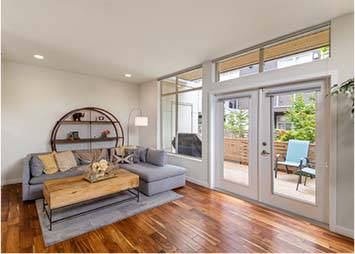
Outdoor living spaces and rear elevations are perfectly suited for sliding patio doors. These large-scale operable glass walls feature heavy-duty rollers and reinforced interlocking meeting rails that prevent water intrusion during horizontal rain events. For a more classic or European architectural approach, French doors provide elegant aesthetics alongside sophisticated multi-point locking systems that secure the doors firmly into the reinforced frame at several structural points.
The primary focal point of a home’s exterior, the front entrance, also benefits from this advanced engineering. Modern entry doors constructed from impact-resistant fiberglass or heavy-gauge steel are injected with high-density polyurethane foam. This dense core not only provides exceptional structural rigidity against forced entry and flying debris but also acts as a supreme thermal insulator, preventing energy loss at the home’s most frequently used access point.
Environmental Stewardship and Sustainability
The transition toward high-performance building materials represents a significant step in the pursuit of eco-friendly living. The residential sector accounts for a massive portion of global energy consumption. By significantly reducing the demand for artificial cooling and heating, impact glass directly lowers the greenhouse gas emissions produced by regional power plants.
Beyond daily energy conservation, the inherent durability of impact products contributes to environmental sustainability through waste reduction. Standard windows are frequently damaged during severe weather, resulting in thousands of tons of shattered glass, warped aluminum, and broken vinyl entering landfills after every major storm. Furthermore, relying on temporary protective measures like wooden boards contributes to deforestation and material waste. When weighing the environmental cost of plywood shutters or impact windows, permanent laminated glass solutions eliminate the need to repeatedly purchase, store, and ultimately discard deteriorating wooden panels.
The longevity of modern impact frames means they rarely need to be replaced. High-quality vinyl and aluminum extrusions resist corrosion, chalking, and degradation from constant exposure to harsh ultraviolet radiation and salt-laden coastal air. By extending the lifecycle of the building materials, property owners actively participate in reducing the carbon footprint associated with manufacturing, transporting, and installing replacement products.
Property Maintenance and Implementation
To ensure long-term functionality and optimal energy performance, proper upkeep of these specialized fixtures is necessary. Fortunately, maintaining impact windows is a straightforward process. Routine cleaning of the glass with non-abrasive, ammonia-free solutions protects the UV coatings. Regularly clearing tracks and weeping holes of dust, dirt, and pet hair ensures smooth operation and proper water drainage. Inspecting weatherstripping and silicone sealants annually helps maintain the airtight barrier that keeps humidity and heat outside where they belong.
When the time comes to replace windows, partnering with a knowledgeable, certified installation team is crucial. Even the most technologically advanced impact glass will fail if not installed precisely according to the manufacturer’s engineering specifications. Shimming, anchoring, and waterproofing require exact technical proficiency to ensure the fixtures perform correctly during peak weather events.
Property owners considering this essential upgrade have access to various resources to make the transition manageable. From attending local home improvement events to explore product demonstrations, to securing flexible financing options designed for energy-efficient property enhancements, achieving a storm-safe and environmentally responsible home is more accessible than ever before.
Setting the Standard for Safety and Style
Florida Window and Door sets the industry standard by combining over 40 years of local expertise with the specialized authority of a licensed General Contractor (CGC1509450). While others simply sell windows, the company provides a boutique, turn-key experience, offering Florida’s largest selection of manufacturers and high-performance impact products to ensure property owners never have to compromise on style or safety. Whether for a residential home, high-rise condominium, or commercial property, the commitment to technical precision and personalized service ensures every investment is protected by the most trusted name in hurricane-resistant remodeling. Property owners ready to fortify their spaces and increase their energy efficiency can easily reach out through the official contact channels to request comprehensive evaluations. For more information, updates, and to connect with the team, visit the company on Google Maps, Facebook, and LinkedIn.
