

CAT-5 rated impact doors are heavy-duty structural exterior entry systems engineered to withstand sustained hurricane winds exceeding 157 miles per hour and severe flying debris impacts. These doors preserve the home’s structural building envelope, preventing rapid internal pressurization that causes roof collapse and catastrophic wall failure. Installing certified impact-resistant doors provides continuous, passive storm defense, advanced forced-entry protection, and superior thermal insulation.
Why Are Exterior Doors Vulnerable During Severe Hurricanes?
The structural survival of any residential or commercial building during a major storm event depends strictly upon maintaining a fully sealed building envelope. When Category 5 hurricane winds surpass 150 miles per hour, intense atmospheric pressure differentials and violent wind turbulence continuously attack exterior thresholds. Traditional, non-impact entryways and patio systems are often the primary structural points of failure under these extreme forces.
When an exterior door fails due to heavy wind pressure or projectile impact from airborne debris, high-velocity air rushes into the home immediately. This breach creates a rapid surge in positive internal air pressure. Concurrently, hurricane-force winds rushing across the exterior roofline generate massive negative pressure, known as aerodynamic uplift. The simultaneous force of air pushing upward from the inside and pulling from the outside can lift roof trusses, compromise load-bearing walls, and cause complete structural collapse. Installing reinforced impact doors prevents structural breaches, neutralizing the risk of rapid internal pressurization.
What Defines a CAT-5 Rated Impact Door?
A Category 5 storm is characterized by sustained wind speeds of 157 miles per hour or greater. To receive a CAT-5 performance rating, exterior door systems must undergo rigorous laboratory testing and engineering assessments to prove they can survive both blunt projectile impacts and extreme pressure cycling. These products are built with specialized structural profiles, high-strength alloys, and laminated glass assemblies that far exceed the performance limits of standard residential doors.
What Materials and Engineering Make Up Hurricane-Rated Doors?
A certified impact door system utilizes structurally reinforced frames constructed from heavy-gauge extruded aluminum, reinforced composite polymers, or heavy-duty vinyl reinforced with internal aluminum chambers. The accompanying hardware components, such as heavy-duty hinges, continuous security hinges, and mounting fasteners, are fabricated from corrosion-resistant stainless steel to maintain mechanical strength in humid, coastal environments.
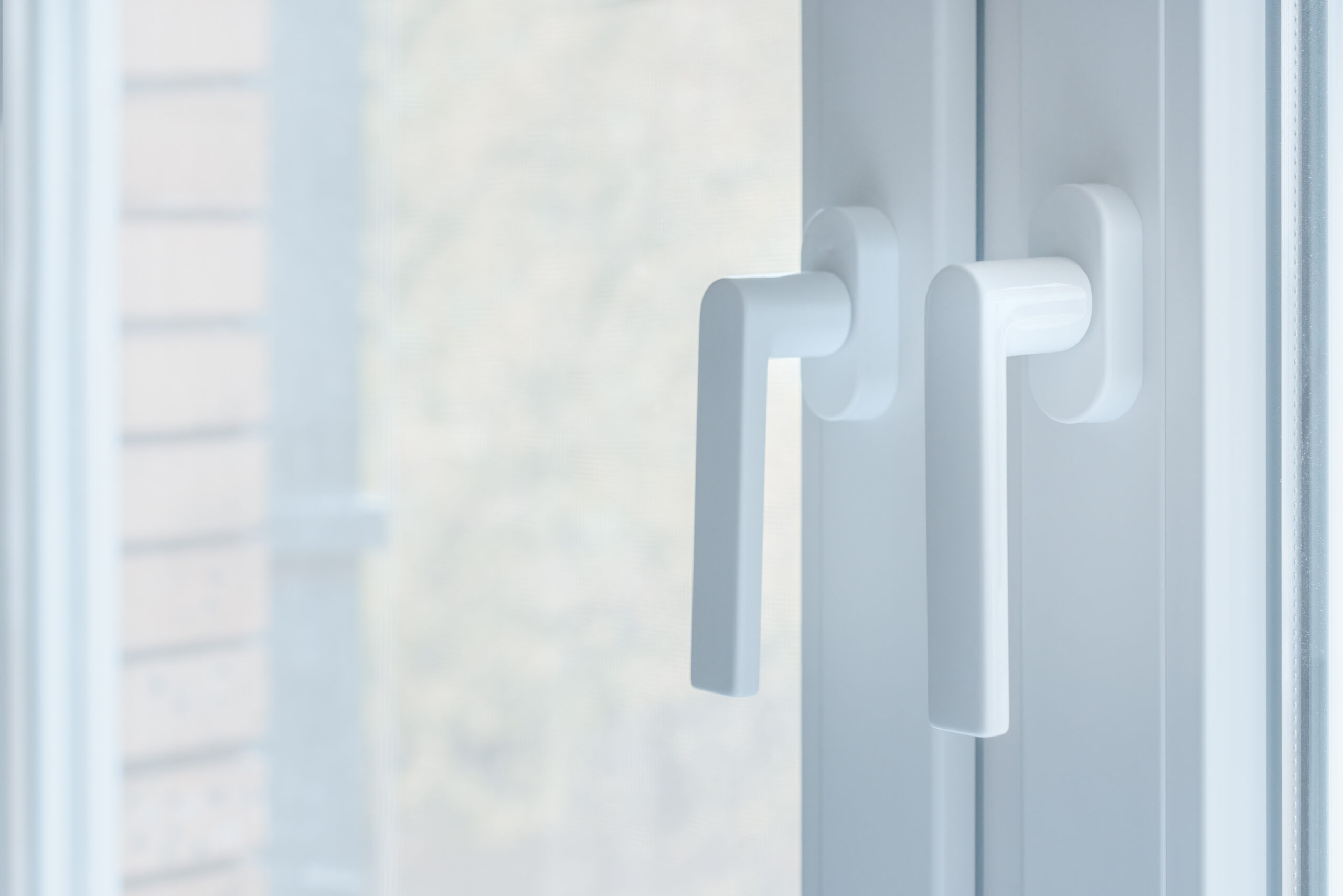
Standard doors typically rely on a single deadbolt, which concentrates wind force at one structural point and increases latch failure risks. In contrast, hurricane impact doors incorporate multi-point locking mechanisms. These systems engage the frame at multiple locations along the head, sill, and vertical jamb simultaneously. Distributing physical wind load evenly across the entire frame prevents the door panel from bowing, twisting, or separating from its frame during peak wind gusts.
How Are High-Velocity Hurricane Zone (HVHZ) Doors Tested?
Doors engineered for the most severe storm conditions must meet the stringent testing requirements designated for High-Velocity Hurricane Zones (HVHZ). The standardized Large Missile Impact Test evaluates structural durability by firing a 9-pound, 2×4 wooden projectile from an air cannon directly at the door slab and glass panel at a speed of 34 miles per hour (50 feet per second).
Immediately following the direct missile impact, the door unit must undergo cyclic wind pressure testing. This phase subjects the assembly to thousands of alternating positive and negative pressure cycles, simulating the prolonged pushing and pulling dynamics of a sustained hurricane. To achieve certification, the door system must remain securely anchored in the frame, maintain its lock engagement, and prevent any structural tear or opening that allows air or water to breach the barrier.
What Types of CAT-5 Impact Doors Are Available for Homes?
Modern engineering allows homeowners to secure critical structural openings without sacrificing architectural style. Impact-rated doors are available in diverse configurations engineered to match specific functional requirements and aesthetic preferences across various residential entryways.
How Do Impact Entry Doors Combine Style and Security?
Front entryways serve as key architectural elements while simultaneously acting as primary defensive barriers. Impact-rated front entry systems are widely available in heavy-gauge fiberglass and reinforced composite materials. High-density fiberglass doors can be molded with realistic wood grain textures that emulate authentic hardwood without the vulnerability to rotting, swelling, warping, or delaminating over time.
For entry door configurations featuring decorative lites, sidelites, or transoms, impact-rated laminated glass ensures full structural resistance against flying debris. These decorative glass panels allow natural light into foyers while delivering the exact same impact protection as solid door slabs, preserving curb appeal and architectural integrity.
Why Are Sliding Patio Doors Engineered for Wide Openings?
Expansive glass openings, such as patio transitions, present substantial vulnerability during severe weather if fitted with conventional glass sliders. High-performance sliding patio door systems address this challenge through heavy-duty extruded aluminum framing, reinforced structural interlocks, and deep sill tracks. Heavy-duty tandem stainless steel rollers ensure smooth operation while locking panels securely into reinforced tracks, preventing panels from jumping or blowing out under high negative wind pressure.
How Do French Doors Maintain Structural Strength Under Wind Loads?
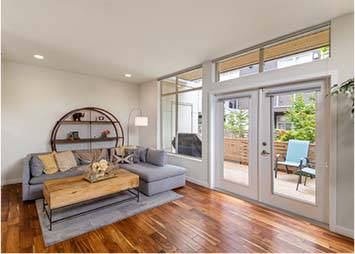
Standard double French doors are vulnerable during storms because the two active panels meet in the center without a fixed structural post. Hurricane-rated French doors resolve this weakness by incorporating heavy-duty structural astragals along the meeting stiles and multi-point flush bolts that secure both the top header and bottom threshold. When locked, the two panels lock together to form a rigid structural wall that channels wind loads directly into the building’s foundation and header framing.
What Is the Science Behind Impact-Resistant Glass and Glazing?
When impact doors incorporate glazed lites, the glass must absorb direct kinetic energy without shattering into dangerous projectiles or creating an opening in the home. Impact glass relies on advanced laminated glazing technology consisting of two or more panes of heat-strengthened or tempered glass permanently bonded to an inner structural polymer interlayer under intense heat and pressure.
The primary interlayers used in storm-rated glass include Polyvinyl Butyral (PVB) and SentryGlas Plus (SGP) ionoplast interlayers. When flying debris strikes an impact glass panel, the exterior glass layer may fracture in a spiderweb pattern, but the fragments remain bonded to the flexible interlayer. The structural membrane absorbs the impact shock and remains intact, keeping the opening sealed against wind, rain, and pressure differentials. This laminated glass technology is also utilized in engineered impact windows to maintain whole-home building envelope protection.
Why Is Professional Installation Essential for Impact Door Performance?
The protective capability of an impact-rated door depends entirely on the precision and quality of its installation. A certified CAT-5 door that is improperly anchored or aligned will fail when subjected to thousands of pounds of cyclic wind load. Installation requires exact spacing of high-tensile masonry anchors, structural shimming, and secure integration into the rough structural opening according to manufacturer engineering specifications.
Working with a certified and licensed General Contractor ensures all work complies with local building codes, structural wind-load calculations, and municipal inspection protocols. Professional installation also integrates specialized waterproofing techniques, including elastomeric sealants, heavy-duty threshold flashings, and treated bucking materials, to prevent water intrusion caused by horizontal, wind-driven rain.
What Are the Additional Benefits of Installing Impact Doors?
While CAT-5 impact doors are engineered primarily for severe weather defense, upgrading exterior doorways provides significant year-round structural and lifestyle benefits.
How Do Impact Doors Enhance Intrusion Prevention and Home Security?
The reinforced framing, multi-point lock hardware, and shatter-resistant laminated glass that resist hurricane-force debris provide effective protection against forced entry. Intruders cannot breach laminated impact glass with standard tools such as crowbars, hammers, or bricks. The noise, time, and effort required to break through the structural interlayer act as a major deterrent against residential break-ins.
How Do Impact Doors Improve Energy Efficiency and UV Protection?
Impact door assemblies provide substantial thermal insulation for the home. Laminated glass units often feature Low-E (low-emissivity) coatings and argon gas fills between dual-pane assemblies to minimize solar heat gain and thermal conductivity. This reduces the operating workload on HVAC equipment, lowering monthly energy costs. Furthermore, the specialized interlayers block up to 99% of damaging ultraviolet (UV) radiation, protecting interior flooring, drapery, and furniture from sun-induced fading.
How Do Impact Doors Compare to Shutters and Plywood?
Homeowners evaluating hurricane protection options frequently compare impact-rated doors with temporary measures like plywood boards or permanent accordion and roll-down shutters. Plywood is labor-intensive, damages exterior wall surfaces with repeated screw penetrations, deteriorates quickly, and blocks all natural light during power outages. Shutters offer improved physical protection compared to wood, but they require physical deployment before every storm, which can be challenging during unexpected evacuations or for homeowners who are traveling.
CAT-5 rated impact doors deliver continuous, passive protection 24 hours a day, 365 days a year. They require zero manual deployment or preparation when a hurricane warning is issued; locking the door provides immediate full-rated storm defense. This passive safety eliminates storm preparation anxiety and ensures the home remains defended against sudden, severe weather events.
How Can Homeowners Plan and Finance Storm Protection Upgrades?
Upgrading exterior entry points with CAT-5 impact doors is an investment that increases property value, lowers homeowners insurance premiums, and reinforces home safety. Homeowners can take advantage of flexible financing options to spread project costs over manageable payment plans while immediately securing their property.
To ensure total building envelope security, property owners should schedule an on-site structural evaluation with certified remodeling specialists. An experienced team assesses opening dimensions, structural substrate conditions, and local wind-borne debris zone requirements. For detailed product specifications or to schedule a consultation, homeowners can contact a professional today to safeguard their property against upcoming severe weather events.
Frequently Asked Questions
What wind speed can a CAT-5 rated impact door withstand?
A CAT-5 rated impact door is engineered and certified to withstand sustained wind speeds of 157 miles per hour or greater, meeting the criteria for Category 5 hurricanes and High-Velocity Hurricane Zones (HVHZ).
Do impact doors break when hit by flying debris?
When struck by heavy airborne debris, the outer glass layer of an impact door may crack, but the high-strength polyvinyl butyral (PVB) or SGP interlayer holds the shattered glass firmly in place. This preserves the building envelope, preventing wind, rain, and pressure from entering the structure.
How do impact doors help lower energy bills?
Impact doors utilize heavy-duty insulated framing and laminated glass often treated with Low-E coatings. This combination reduces solar heat transfer and air leakage, easing the load on air conditioning systems and reducing cooling costs year-round.
Are impact doors effective against home burglaries?
Yes. The heavy-duty framing, multi-point locking systems, and shatter-resistant laminated glass make impact doors exceptionally resistant to forced entry, preventing intruders from quickly breaching entry points.
Do CAT-5 impact doors require storm shutters?
No. Certified CAT-5 impact doors provide standalone, passive storm protection and do not require hurricane shutters, plywood, or additional exterior coverings to meet hurricane building codes.
