

For homeowners residing in the Sunshine State, maintaining a comfortable indoor climate is an ongoing priority. The combination of intense solar radiation, high humidity, and prolonged cooling seasons places a significant demand on residential heating, ventilation, and air conditioning (HVAC) systems. A primary factor influencing this energy consumption is the building envelope, particularly the fenestration—or the arrangement of glass structures in a building. Upgrading to Energy Star certified windows provides a scientifically proven method to manage thermal transfer, reduce energy consumption, and promote eco-friendly living.
The Physics of Heat Transfer in Residential Properties
Understanding how heat enters and exits a building is essential for recognizing the value of energy-efficient glazing. Heat transfer occurs through three primary mechanisms: conduction, convection, and radiation. In a typical home, standard glass panes allow a substantial amount of solar radiation to penetrate the interior spaces. This radiant energy is absorbed by flooring, furniture, and interior walls, which then re-radiate the heat into the ambient indoor air, causing the internal temperature to rise.
When older or inefficient glass structures fail to mitigate this heat gain, the HVAC system must operate continuously to remove the excess thermal energy. Property owners evaluating knowing when to replace your windows often look at rising utility statements as a primary indicator of envelope failure. By implementing advanced glazing technologies designed specifically for southern climates, residents can significantly reduce the workload on their cooling systems.
Key Metrics of Energy Star Certified Windows
Energy Star certification is not an arbitrary label; it is a performance-based standard established by the U.S. Environmental Protection Agency (EPA). For a product to earn this designation in Florida’s specific climate zone, it must meet stringent criteria regarding thermal performance. The two most critical metrics evaluated are the Solar Heat Gain Coefficient (SHGC) and the U-Factor.
Solar Heat Gain Coefficient (SHGC)
The SHGC measures the fraction of incident solar radiation admitted through a window, both directly transmitted and absorbed, then subsequently released inward. The scale ranges from 0 to 1, where a lower number indicates less solar heat transmission. In Florida, where cooling dominates the energy profile, building codes and Energy Star requirements mandate a very low SHGC. Products with a low SHGC block a significant portion of the sun’s heat, keeping interiors naturally cooler without relying heavily on mechanical air conditioning.
U-Factor
While the SHGC addresses solar radiation, the U-Factor measures the rate of non-solar heat flow through the window assembly, including the glass, frame, and spacers. It represents the insulating value of the entire unit. Similar to the SHGC, a lower U-Factor indicates better insulation capabilities. While U-Factor is often prioritized in colder climates to prevent interior heat from escaping, it remains crucial in Florida to prevent ambient exterior heat from conducting through the framing materials into the air-conditioned living space.
Advanced Glazing Technologies
The impressive performance metrics of modern fenestration are achieved through a combination of specialized materials and precise manufacturing techniques. Standard single-pane glass offers virtually no resistance to thermal transfer, making modern multi-pane configurations essential.
Low-Emissivity (Low-E) Coatings
Low-Emissivity, or Low-E, coatings are microscopically thin, transparent layers of metallic oxide applied directly to the glass surface. These coatings are engineered to reflect specific wavelengths of energy. In a cooling-dominated climate, Low-E glass reflects long-wave infrared heat back outward while still allowing visible light to pass through. This technology prevents the sun’s thermal energy from heating the interior of a property while maintaining natural illumination, effectively lowering electricity usage associated with both artificial lighting and air conditioning.
Inert Gas Fills
Energy Star certified multi-pane units typically feature a sealed space between the layers of glass. Instead of standard air, manufacturers fill this cavity with inert, colorless, and non-toxic gases such as argon or krypton. These gases possess a higher density and lower thermal conductivity than atmospheric air. The presence of argon or krypton minimizes convective currents within the window unit, further reducing the overall heat transfer and improving the U-Factor of the assembly.
Selecting the Right Window Styles for Energy Efficiency
The operational style of a window can also influence its overall energy efficiency and air infiltration rates. Different architectural configurations offer distinct benefits for managing ventilation and maintaining an airtight seal when closed.
- Fixed and Specialty Shapes: Picture windows and custom architectural windows are non-operable, meaning they do not open. Because their sashes are permanently sealed within the frame, they offer zero air leakage, making them the most energy-efficient option for areas where ventilation is not required.
- Hinged Operations: Casement windows open outward via a crank mechanism. When closed, the locking mechanism pulls the sash tightly against the weatherstripping. This design makes them highly efficient at preventing drafts and conditioned air loss.
- Vertical and Horizontal Sliders: Both single-hung windows and double-hung windows are popular for their classic aesthetic and ventilation capabilities. Single-hung models tend to have a slight advantage in airtightness over double-hung models due to having fewer moving parts. Similarly, sliding windows operate horizontally and require high-quality, continuous weatherstripping to maintain their thermal boundaries.
Integrating Efficient Doors into the Building Envelope
A comprehensive approach to energy efficiency requires attention to all structural openings, which inherently includes the property’s doors. Heat transfer and air infiltration occur just as readily through outdated exterior doors as they do through inefficient glass panes.
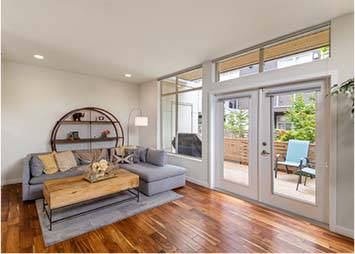
Upgrading to modern entry doors constructed from fiberglass or insulated steel can significantly lower thermal transmittance compared to older solid wood models. Furthermore, properties featuring large expanses of glass, such as those with French doors or broad sliding patio doors, benefit immensely from the same Low-E coatings and argon gas fills utilized in high-efficiency windows. Ensuring that the entire envelope is cohesive in its energy performance prevents isolated zones of heat gain from undermining the efficiency of the overall HVAC system.
Synergy Between Energy Efficiency and Structural Security
In Florida, fenestration must perform dual roles: mitigating heat transfer and providing a structural barrier against severe weather events. Property owners frequently assess the differences between impact and traditional windows. Fortunately, advancements in manufacturing allow homeowners to achieve superior energy ratings while simultaneously upgrading their storm protection.
Modern laminated glass, which consists of a durable interlayer sandwiched between two glass panes, provides exceptional resistance to high-velocity winds and airborne debris. This construction is a cornerstone of effective hurricane season preparation. Beyond physical security, the laminated interlayer also blocks up to 99% of ultraviolet (UV) light, protecting interior furnishings from fading while contributing to the overall thermal efficiency of the unit. When evaluating plywood shutters or impact windows, the continuous, year-round energy savings and passive protection offered by engineered glazing present a clear advantage over temporary covering methods.
Financial Considerations and Return on Investment
Investing in an integrated system of Energy Star certified, high-performance impact products involves an initial capital expenditure. However, the financial model for this upgrade is highly favorable when factoring in the long-term reduction in monthly utility costs. A home operating with an optimized thermal envelope requires less kilowatt-hours to maintain interior comfort, resulting in immediate and ongoing reductions in electricity billing.
To facilitate these upgrades, many property owners utilize specific financing options tailored for energy-efficient home improvements. Furthermore, the installation of certified, high-efficiency impact products often qualifies homeowners for substantial reductions in their property insurance premiums, accelerating the return on investment and increasing the overall valuation of the real estate.
The Importance of Precision Installation
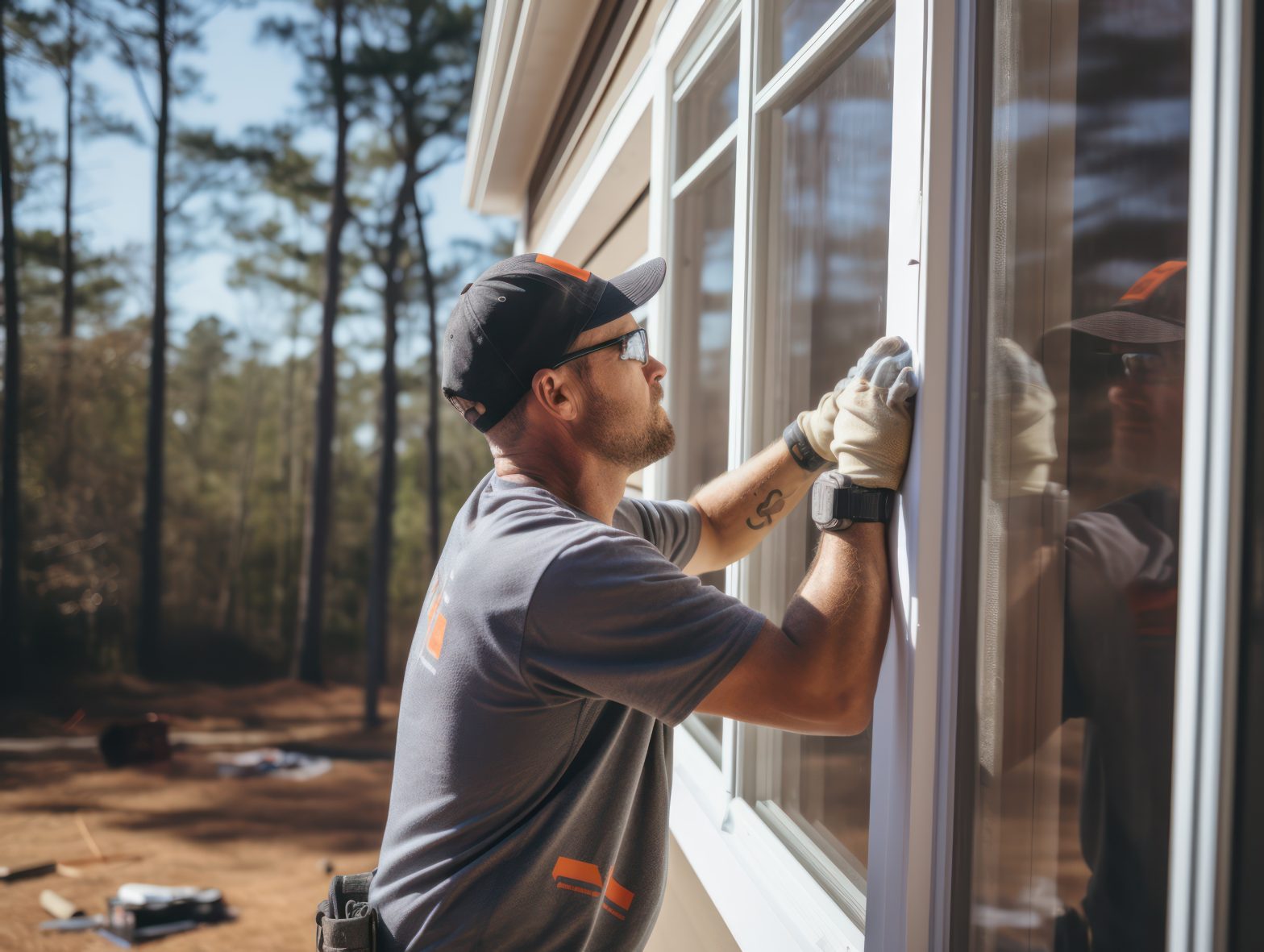
The laboratory-tested performance of an Energy Star certified product is only as effective as the quality of its installation. Even the most advanced, multi-pane, Low-E coated unit will fail to lower energy bills if it is installed out of plumb, out of square, or without proper sealing.
Improper installation can lead to air infiltration around the frame, negating the thermal benefits of the glass itself. It can also cause the unit to operate poorly or allow moisture intrusion, which degrades building materials over time. Securing the services of a highly qualified, licensed contractor is imperative to ensure the framing is properly prepared, the unit is securely anchored to the substrate, and industrial-grade sealants are applied to create a watertight and airtight continuous barrier.
Long-Term Durability and Comfort
Creating a thermally efficient home environment in a demanding tropical or subtropical climate is an exercise in building science. By selecting products engineered to manage specific wavelengths of solar energy and reducing the thermal transmittance of the structural envelope, residents secure a more consistent, comfortable living space. Eliminating hot spots near exterior walls and reducing the operational cycles of HVAC equipment extends the lifespan of mechanical systems and significantly limits ongoing maintenance expenses.
Setting the Standard for Property Upgrades
At Florida Window and Door, the team sets the industry standard by combining over 40 years of local expertise with the specialized authority of a licensed General Contractor (CGC1509450). While others simply sell windows, Florida Window and Door provides a “boutique” turn-key experience, offering Florida’s largest selection of manufacturers and high-performance impact products to ensure property owners never have to compromise on style or safety. Whether for a residential home, high-rise condominium, or commercial property, their commitment to technical precision and personalized service ensures every investment is protected by the most trusted name in hurricane-resistant remodeling. To learn more about the technical specifications of energy-efficient glazing or to contact a specialist regarding a property assessment, connect with the team today via Google Maps, Facebook, or LinkedIn.
