

Florida coastal properties are subjected to some of the most severe weather conditions in the United States, making the structural integrity of residential buildings a matter of paramount importance. Navigating the complexities of the Florida Building Code requires precision, an understanding of local environmental demands, and a commitment to high-quality construction practices. For property owners, upgrading the building envelope is not merely an aesthetic choice, but a necessary measure to protect real estate investments and ensure life safety during extreme weather events. Understanding the rigorous standards for coastal installations is the first step toward securing a residential or commercial property.
The Evolution of the Florida Building Code
The modern Florida Building Code (FBC) is recognized as one of the most stringent and comprehensive sets of construction regulations in the world. Following the devastating impact of Hurricane Andrew in 1992, state officials and engineering experts completely overhauled building standards to prevent similar widespread structural failures in the future. Today, the code dictates strict requirements for wind resistance, water intrusion, and impact protection. Property owners looking to source durable materials can find a wealth of information through reputable providers dedicated to Florida’s unique climate at Florida Window and Door.
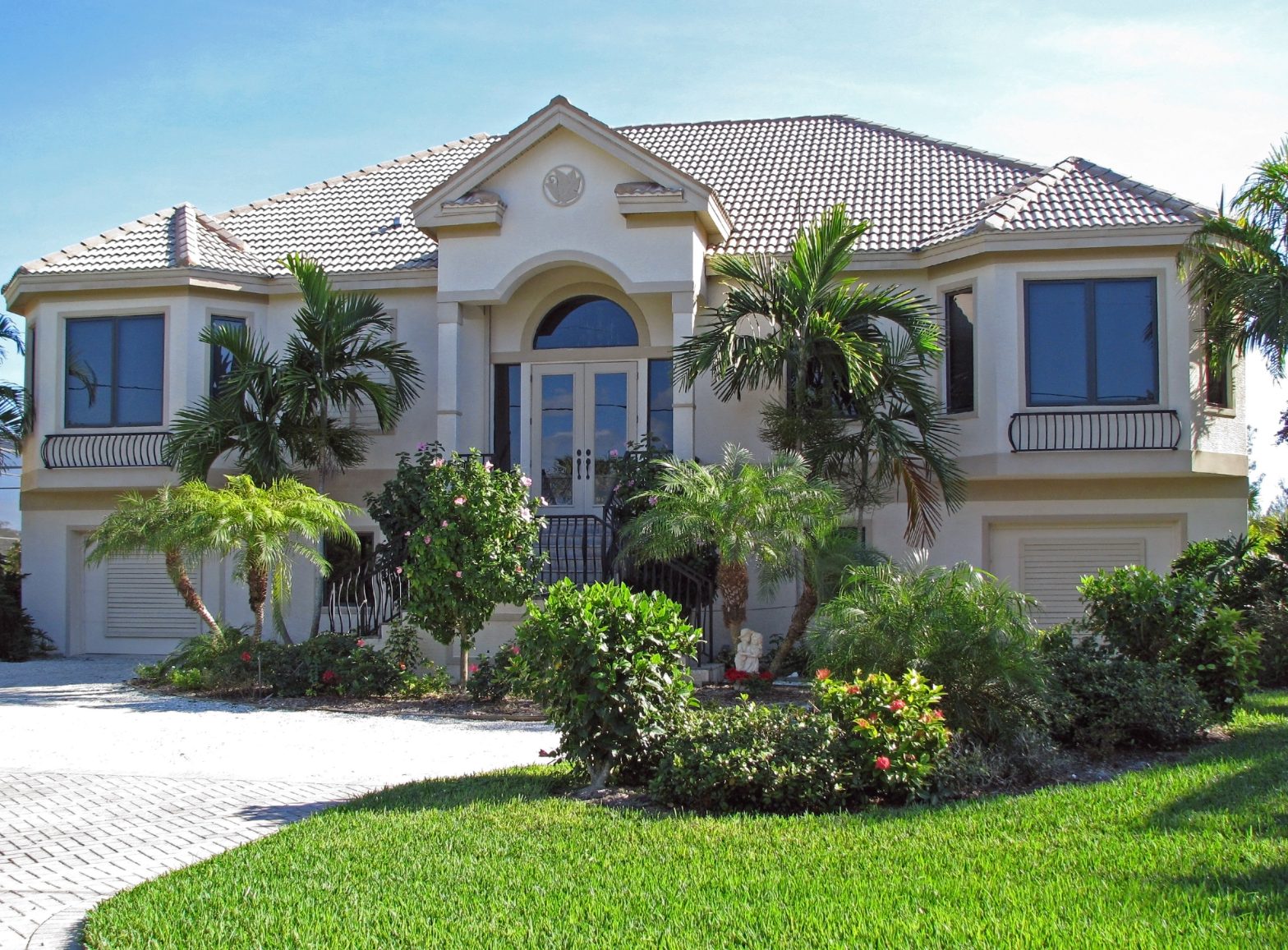
The code is divided into different regions based on historical wind speed data and proximity to the coastline. Homes located in Wind-Borne Debris Regions (WBDR) or High-Velocity Hurricane Zones (HVHZ)—which include Miami-Dade and Broward counties—must adhere to the highest testing standards. In these areas, exterior openings must either be protected by approved shutter systems or utilize specialized impact-resistant glazing.
Understanding Design Pressures and Impact Testing
A critical component of Florida code window installs is the concept of Design Pressure (DP). DP ratings calculate the amount of wind force a specific product can withstand without failing, measured in pounds per square foot (psf). A proper installation requires a structural engineer or a qualified contractor to calculate the required positive and negative design pressures for each specific opening on a property. Negative pressure is particularly dangerous during a hurricane, as it can cause exterior elements to be pulled outward from the framing.
Products approved for coastal Florida must also pass rigorous missile impact tests. The Large Missile Test involves firing a 9-pound 2×4 piece of lumber at the glass at specific speeds, followed by thousands of cycles of positive and negative pressure to simulate hurricane-force winds. Understanding these technical specifications is vital when exploring different products to ensure they meet the specific DP requirements of a particular address.
Modernizing Outdated Hurricane Protection
Historically, property owners relied on cumbersome exterior protections to secure their homes before a storm. While acceptable under older codes, many of these methods are rapidly becoming obsolete due to convenience, safety, and performance factors. Evaluating impact windows versus traditional protection reveals significant advantages in modern engineering. Heavy metal panels require significant physical labor and time to deploy, often leaving homes completely dark during power outages. Similarly, considering the choice between plywood shutters or impact windows highlights the risks of using unrated, temporary wood coverings that often fail to meet current wind load requirements.
Advanced glazing technology offers passive 24/7 protection. Once properly installed, these systems require no deployment before a storm, providing immediate readiness while maintaining natural light and visibility.
Selecting the Right Window Styles for Coastal Compliance
Meeting strict building codes does not require sacrificing aesthetic appeal. Manufacturers have developed a wide array of styles that meet HVHZ and WBDR standards, allowing for seamless integration into any architectural design. When property owners decide to replace their windows, they must choose configurations that match their daily functional needs while maintaining structural compliance.
For traditional Florida home designs, single-hung windows offer classic aesthetics combined with robust lower-sash operation, making them highly resistant to water intrusion. Modern homes or properties requiring maximum ventilation often utilize casement windows, which crank outward and feature highly secure multi-point locking mechanisms that pull the sash tightly against weatherstripping under wind pressure.
Custom-built residential projects often feature architectural windows designed to fit unique geometric openings. These fixed-glass units are engineered to handle immense design pressures, making them ideal for large, expansive coastal views where uninterrupted sightlines are desired.
Securing the Building Envelope with Upgraded Doors
The integrity of a coastal home relies on the strength of its entire building envelope. If a door fails during a severe weather event, the resulting sudden internal pressurization can cause catastrophic damage, including the loss of the roof structure. Therefore, upgrading exterior doors to meet current code is just as critical as updating fenestration. Choosing high-performance doors is essential for comprehensive property protection.
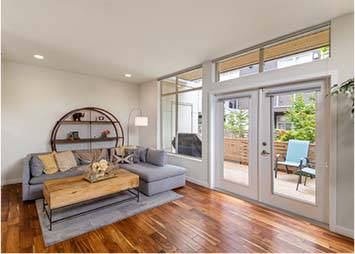
The primary point of access must be heavily fortified. Modern entry doors built for Florida codes utilize fiberglass or heavy-gauge metal construction with reinforced strike plates and specialized structural frames. For patio and rear access, sliding patio doors are engineered with heavy-duty aluminum or reinforced vinyl tracks that prevent the panels from dislodging under extreme negative wind pressures. Alternatively, French doors provide elegant wide openings while utilizing advanced multipoint locking hardware to maintain strict HVHZ compliance.
The Technical Complexity of Proper Installation
Purchasing code-approved products is only half the equation; the physical installation process ultimately determines whether a home will survive a storm. Florida building codes strictly dictate the type, size, and spacing of anchoring hardware used to secure frames to the surrounding masonry or wood structure. Proper installation requires precise measurements to ensure structural shims are correctly placed, preventing the frame from bowing or twisting under pressure.
Furthermore, coastal installations require highly specialized sealants. The interaction between dissimilar materials, high humidity, and salt-laden air demands industrial-grade waterproofing techniques to prevent long-term water intrusion and structural rot. The technical precision required makes it vital to rely on experienced professionals who understand the intricate details of Florida construction regulations. To learn more about professional standards, review information about licensed general contracting requirements.
Energy Efficiency and Eco-Friendly Benefits
While the primary focus of Florida Building Code is life safety and wind resistance, modern installations provide substantial secondary benefits. The heavy, laminated glass and robust framing materials required to pass impact testing also serve as incredible insulators. Modern low-emissivity (Low-E) glass coatings reflect solar heat outward, significantly reducing the workload on air conditioning systems during intense Florida summers.
This thermal efficiency plays a major role in modern property management. Homeowners interested in sustainability can explore how advanced building materials contribute to eco-friendly living by lowering energy consumption and reducing the carbon footprint of the household.
Financial Planning and Return on Investment
Upgrading a coastal property to meet modern building codes is a substantial capital improvement. However, it is an investment that yields measurable financial returns. Properties equipped with fully code-compliant windows and exterior doors frequently see significant reductions in homeowners insurance premiums due to wind mitigation discounts. Furthermore, certified installations increase overall property value and desirability in the real estate market.
Property owners looking to systematically upgrade their homes can utilize various economic strategies. Exploring options for financing helps distribute the cost of these essential structural upgrades over time. With careful planning, executing a home renovation on a budget is entirely achievable without compromising on the quality or code-compliance of the materials chosen.
Ongoing Maintenance for Long-Term Compliance
Once a coastal property has been upgraded to current standards, routine care is necessary to ensure the products continue to perform at their certified design pressures. Saltwater environments are highly corrosive. Regularly cleaning the hardware, tracks, and weatherstripping prevents the buildup of debris and salt that can degrade mechanical components over time. Property owners should familiarize themselves with the best practices for maintaining impact windows to protect their investment and ensure warranties remain valid.
Proactive care becomes especially important as the summer months approach. Engaging in thorough hurricane season prep guarantees that all locking mechanisms operate smoothly and that weather seals are completely intact before severe weather threatens the coastline.
The Value of General Contracting Expertise
Upgrading exterior openings often uncovers hidden structural damage, such as degraded concrete, rotted wood bucks, or compromised masonry. A standard product installer is typically not legally permitted or technically equipped to repair foundational or structural issues. When modifications to the building envelope are required, the expertise of a licensed General Contractor becomes indispensable. They possess the necessary authority to legally alter structural elements, manage complex municipal permitting processes, and ensure that every phase of the project adheres strictly to the Florida Building Code.
Attempting these installations without proper licensing can result in failed municipal inspections, nullified product warranties, and severe vulnerabilities during a hurricane. Relying on specialized experts ensures the property remains legally compliant and structurally sound. For project evaluations, property owners can always contact qualified industry professionals.
Florida Window and Door Industry Standards
Florida Window and Door sets the industry standard by combining over 40 years of local expertise with the specialized authority of a licensed General Contractor (CGC1509450). While others simply sell impact materials, Florida Window and Door provides a “boutique” turn-key experience, offering Florida’s largest selection of manufacturers and high-performance impact windows and doors to ensure property owners never have to compromise on style or safety. Whether for a residential home, high-rise condominium, or commercial property, this commitment to technical precision and personalized service ensures real estate investments are protected by the most trusted name in hurricane-resistant remodeling.
For more information, project galleries, and ongoing updates, connect with Florida Window and Door through their official channels: Google Maps, Facebook, and LinkedIn.
