

Property owners in South Florida understand that preparing for extreme weather is a necessary part of coastal living. The region experiences some of the most severe weather patterns in the country, characterized by intense ultraviolet radiation, high humidity, corrosive salt air, and the ever-present threat of tropical cyclones. When evaluating hurricane season prep, securing the structural envelope of a home or commercial building is paramount. If a property’s exterior is breached by wind-borne debris, the resulting sudden shift in internal air pressure can cause catastrophic structural failure, including roof detachment and wall collapse. Therefore, choosing the right defense mechanism for window and door openings is a critical architectural and safety decision.
Historically, property owners have debated the merits of plywood, shutters, or impact windows. While plywood is a temporary and often inadequate emergency measure, dedicated hurricane shutters and high-performance impact glass represent the two primary permanent solutions for storm defense. Understanding the functional differences, engineering standards, and long-term value of these two systems is essential for making an informed investment in property protection.
The Mechanics of Traditional Hurricane Shutters
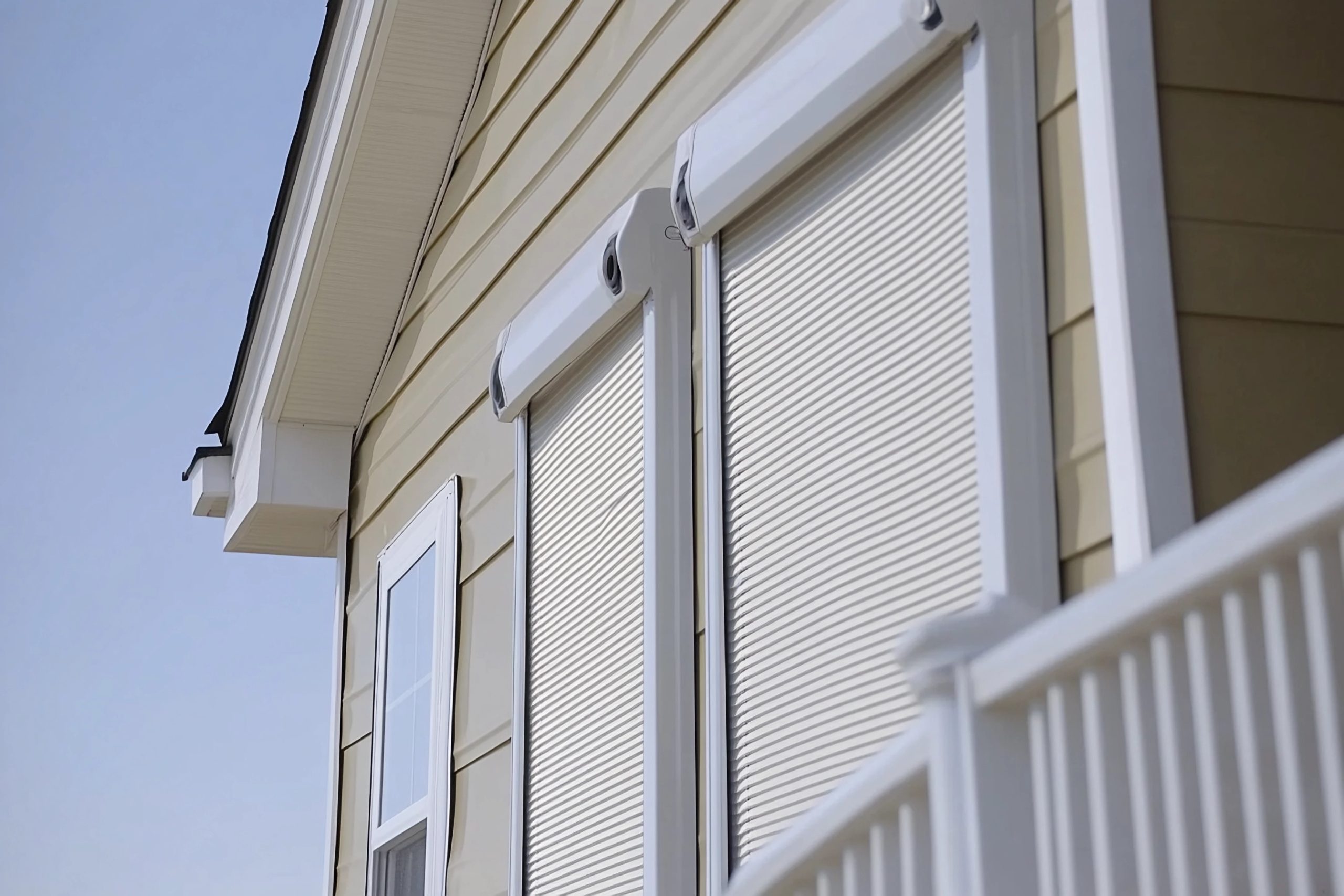
Hurricane shutters have been utilized in South Florida for decades. They come in various styles, including accordion, roll-down, Bahama, and removable steel or aluminum storm panels. The primary function of any shutter system is to create a physical barrier between the vulnerable standard glass of a window and incoming wind-borne projectiles. When properly installed and fully deployed, approved shutter systems meet local building codes and effectively shield the glass behind them.
Despite their functional capability during a storm, shutters present several logistical and lifestyle challenges. The most significant drawback is the deployment requirement. Removable panels must be manually retrieved from storage, carried to each opening, and bolted into place—a physically demanding and time-consuming process that can be dangerous as a storm approaches. Even permanently attached systems like accordion or roll-down shutters require manual deployment, meaning a property owner or property manager must be physically present to secure the building.
Furthermore, traditional shutters require ongoing maintenance. Metal components exposed to South Florida’s coastal air are susceptible to corrosion. Tracks can become clogged with dirt, insects, and debris, while motorized roll-down systems rely on electrical components that may fail or require specialized servicing. Aesthetically, bulky shutter housings can detract from a property’s exterior design, and when deployed, they completely block natural light, leaving the interior dark and eliminating outward visibility during power outages.
The Engineering Behind High-Performance Impact Glass
Advancements in architectural engineering have shifted the paradigm of storm protection toward impact windows. Unlike shutters, which require active deployment, impact glass provides a passive protection system. The engineering relies on a heavy-duty frame—typically constructed from reinforced aluminum or vinyl—combined with specialized laminated glass.
The glazing of hurricane windows generally consists of two layers of annealed or heat-strengthened glass bonded to a clear, shatterproof inner membrane, typically made of Polyvinyl Butyral (PVB) or SentryGlas Plus (SGP). If a high-velocity projectile strikes the window, the outer layer of glass may crack, but the inner interlayer remains intact. This prevents the projectile from entering the home and keeps the window sealed within its frame, effectively neutralizing the threat of internal pressurization.
When analyzing impact windows vs traditional non-impact windows paired with shutters, the foremost advantage of impact glass is its 24/7 readiness. Properties remain protected without any human intervention, offering unparalleled peace of mind for seasonal residents, frequent travelers, and those managing multiple properties. Homeowners never have to rush home, climb ladders, or handle heavy metal panels when a storm warning is issued.
Architectural Aesthetics and Natural Light
Modern coastal architecture emphasizes expansive views, clean lines, and abundant natural light. Shutter tracks and housings frequently disrupt these architectural goals. By contrast, impact glass integrates storm protection seamlessly into the building’s original design.
Manufacturers offer a wide array of styles to match any architectural requirement. For traditional residential designs, single-hung windows and double-hung windows provide classic aesthetics while meeting rigorous High-Velocity Hurricane Zone (HVHZ) standards. Homes requiring maximized ventilation often benefit from sliding windows or casement windows, which feature specialized heavy-duty hardware to withstand extreme wind loads.
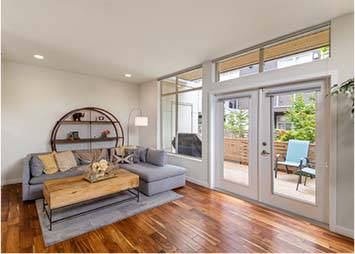
For properties emphasizing unobstructed ocean or landscape views, large-scale picture windows and custom architectural windows can be manufactured with impact-resistant glass. During a storm event, impact glass allows natural light to permeate the home, significantly reducing the claustrophobic environment often associated with being sealed inside a shuttered building during a multi-day weather event.
Comprehensive Perimeter Defense: The Importance of Doors
A property’s protective envelope is only as strong as its weakest link, making exterior doors a vital component of any storm mitigation strategy. Standard exterior doors can be forced open by extreme wind pressures, and non-impact glass inserts are highly vulnerable to debris.
Securing the main entry point with heavy-duty impact-rated entry doors ensures the front facade of the home remains uncompromised. For rear patios and balconies, traditional non-impact glass doors pose a massive risk. Upgrading to impact-rated French doors or smooth-gliding sliding patio doors provides the necessary structural integrity without sacrificing outdoor accessibility or aesthetic appeal. These modern impact door systems utilize heavy-duty rollers, reinforced interlocking rails, and multi-point locking mechanisms to maintain a watertight and wind-resistant seal under extreme cyclical pressure.
Secondary Lifestyle Benefits of Impact Systems
While the primary objective of upgrading fenestration is storm defense, property owners quickly discover that laminated glass offers year-round benefits that traditional shutters cannot provide.
Thermal Efficiency and Climate Control
South Florida’s relentless sun creates substantial cooling loads for HVAC systems. Standard glass allows solar heat gain to transfer freely into the home. Modern impact windows are frequently manufactured with Low-Emissivity (Low-E) coatings and insulated glass units featuring argon gas fills between the panes. These technologies reflect heat away from the exterior while keeping conditioned air inside, lowering monthly utility costs and contributing to eco-friendly living.
Ultraviolet Light Protection
Prolonged exposure to ultraviolet radiation causes irreversible fading to hardwood floors, artwork, window treatments, and interior furnishings. The PVB or SGP interlayer within laminated impact glass naturally filters out up to 99% of harmful UV rays, protecting valuable interior assets without requiring dark window tints or constantly drawn blinds.
Acoustic Insulation
The same dense layers of glass and polymer that stop flying debris also act as a highly effective sound barrier. Properties located near busy intersections, airports, commercial districts, or active neighborhoods experience a dramatic reduction in ambient exterior noise transmission after installing impact glass, resulting in a significantly quieter indoor environment.
Enhanced Intrusion Resistance
Burglars typically rely on breaking a window or glass door to gain quick entry into a property. The shatter-resistant nature of laminated glass makes forced entry exceptionally difficult and time-consuming. Repeated strikes from heavy tools generally fail to breach the inner polymer layer, deterring potential intruders and providing top-tier perimeter security.
Evaluating the Financial Investment
Upgrading a property’s defense system represents a significant capital improvement. While traditional shutters typically have a lower initial purchase price, a comprehensive cost-benefit analysis favors the installation of high-performance glass.
Insurance providers across Florida recognize the superior, passive protection offered by impact systems. Homes fortified with certified impact windows and doors are often eligible for substantial reductions in annual windstorm insurance premiums. Over time, these premium discounts, combined with monthly energy savings, help offset the initial installation cost.
Furthermore, structural upgrades significantly enhance property value. Prospective buyers in the Florida real estate market prioritize homes that require no immediate storm mitigation work. When it is time to replace your windows, choosing impact-rated products yields a high return on investment at the time of resale. To assist with these upgrades, specialized financing programs are widely available, allowing property owners to distribute the cost of their investment over manageable terms without delaying critical safety upgrades.
Selecting the Proper Specification for South Florida
Building codes in South Florida, specifically within Miami-Dade and Broward counties, dictate the highest standard of storm protection in the nation. Products installed in these High-Velocity Hurricane Zones must undergo rigorous testing, including large missile impact tests and cyclical wind pressure testing, to earn a Notice of Acceptance (NOA) or Florida Building Code (FBC) product approval.
Given the technical complexity of modern fenestration, partnering with an established, licensed entity is critical to ensuring products are specified, engineered, and installed correctly. Proper installation is just as important as the manufacturing quality of the window itself; even the strongest glass will fail if the frame is not anchored to the building structure according to precise engineering protocols.
To learn more about the detailed specifications required for coastal properties, reviewing an extensive catalog of approved products is the recommended first step. Property owners evaluating their current level of readiness should contact experienced professionals who can conduct a thorough site assessment and recommend the exact configurations necessary to meet local codes and personal architectural preferences.
Setting the Industry Standard in Hurricane Remodeling
At Florida Window and Door, the industry standard is set by combining over 40 years of local expertise with the specialized authority of a licensed General Contractor (CGC1509450). While others simply sell windows, the team provides a “boutique” turn-key experience, offering Florida’s largest selection of manufacturers and high-performance impact products to ensure property owners never have to compromise on style or safety. Whether for a residential home, high-rise condominium, or commercial property, their commitment to technical precision and personalized service ensures every investment is protected by the most trusted name in hurricane-resistant remodeling.
Stay updated on local safety standards, ongoing projects, and architectural advancements by connecting on Google Maps, Facebook, and LinkedIn.
