


June 1st marks the official beginning of the Atlantic hurricane season, a date that carries significant weight for property owners across the state. Preparing a property to withstand severe tropical weather requires a proactive, highly technical approach rather than a reactive scramble when a storm is already forming. High-velocity winds, rapid shifts in barometric pressure, and airborne debris can severely compromise a residential or commercial structure. Establishing a comprehensive hurricane season preparation plan months in advance is the most effective way to protect property and ensure the safety of building occupants.
Understanding the Mechanics of the Building Envelope
The structural integrity of a home relies fundamentally on its building envelope—the physical separator between the conditioned and unconditioned environment. During a severe storm, the envelope experiences immense wind loads. If a breach occurs, such as a broken pane of glass or a failed door frame, high-velocity wind enters the home. This sudden influx creates massive internal pressurization. When internal pressure pushes outward and upward against the walls and roof assembly, the resulting force often leads to catastrophic structural failure.
Securing this envelope requires an assessment of all primary openings. Utilizing high-quality hurricane-resistant windows and structurally sound exterior doors is the most critical step in fortifying a property. By ensuring these vulnerabilities are addressed long before a storm approaches, property owners can mitigate the risk of internal pressurization and subsequent damage.
Evaluating Modern Window Protection Methods
For decades, property owners have relied on temporary solutions to protect glass openings. However, as building codes have evolved, so too has the technology behind storm readiness. Homeowners are frequently tasked with evaluating plywood, shutters, or impact windows to determine the best defense for their properties. While plywood and metal panels offer a degree of protection, they require significant physical labor to install, must be stored year-round, and completely block natural light, leaving occupants in the dark during power outages.
Understanding the differences between impact and traditional windows highlights why building codes in high-velocity hurricane zones (HVHZ) have become so stringent. High-performance impact glass features a heavy-duty laminated glazing system, typically utilizing a polyvinyl butyral (PVB) or SentryGlas Plus (SGP) interlayer. If struck by flying debris, the glass may shatter, but the interlayer holds the fragments in place, maintaining the crucial building envelope. Furthermore, reviewing the benefits of impact windows reveals additional everyday advantages, including substantial noise reduction, enhanced security against forced entry, and UV filtration that protects interior furnishings from fading.
Assessing and Fortifying Door Vulnerabilities
High winds can easily compromise weak entry points, making door selection just as important as window upgrades. Every entryway must be rated to withstand extreme positive and negative design pressures (DP ratings). It is vital to ensure that properties are equipped with sturdy entry doors built with reinforced frames, heavy-duty hinges, and multi-point locking systems that anchor the slab securely into the jamb.
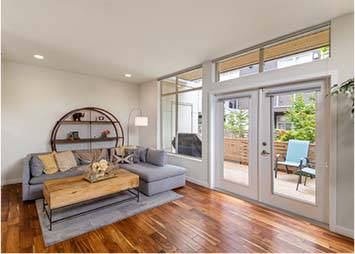
Large expanses of glass present unique challenges during a storm. Configurations such as sliding patio doors require heavily reinforced aluminum extrusions and deeply pocketed tracks to prevent the panels from blowing out under heavy wind loads. Similarly, elegant double-door configurations, such as French doors, are inherently vulnerable at the astragal—the vertical component where the two doors meet. Upgrading to impact-rated versions ensures these sophisticated design elements do not become structural liabilities during severe weather events.
Maintaining and Upgrading Current Fixtures
Physical components degrade over time due to constant exposure to salt air, intense heat, and torrential rain. Existing installations require routine inspections to ensure they will perform when needed most. Regularly maintaining impact products involves cleaning the tracks, clearing weep holes to prevent water intrusion, and lubricating moving parts with a silicone-based spray.
It is equally important for property owners to learn when to replace aging windows. If seals are broken, moisture is accumulating between panes, or the hardware is corroded, the fixture can no longer be trusted to withstand hurricane-force winds. Whether a home utilizes classic single-hung windows or versatile double-hung windows, checking the balances, weatherstripping, and locking mechanisms in the spring is an essential maintenance protocol.
Financial Planning for Home Hardening
Retrofitting a home with impact-resistant products is a substantial investment that dramatically increases property value and often lowers homeowners’ insurance premiums through wind mitigation credits. Because custom manufacturing and professional installation can take several weeks or months, financial planning should begin early in the year. Exploring various options for financing home improvements allows property owners to distribute the cost of these necessary upgrades manageable over time.
With careful planning, strategic upgrades make renovating on a budget highly feasible while still meeting the stringent building codes required in Florida. Many programs also offer specialized terms for energy-efficient impact products, making the transition to a fortified home more accessible.
Upgrading Home Architecture for Storm Readiness
Modern engineering ensures that property owners do not have to sacrifice aesthetic appeal for safety. Advanced manufacturing techniques allow for highly customized profiles and narrow sightlines. Custom architectural windows can be fabricated in geometric shapes, arches, and oversized dimensions while still adhering to strict impact standards. Additionally, sleek, high-performance casement windows provide excellent ventilation during pleasant weather while creating an airtight, weather-resistant seal when locked tight before a storm.
Beyond storm protection, these modern installations feature advanced low-emissivity (Low-E) coatings and argon gas fills. The resulting energy efficiency contributes significantly to eco-friendly living advantages, reducing the strain on HVAC systems during the sweltering summer months. Browsing a full range of impact products ensures that every architectural style—from historic Mediterranean to ultra-modern coastal—can be seamlessly matched and fully protected.
Securing the Home Exterior and Landscaping
Physical hardening of the structure must be paired with exterior risk mitigation. The surrounding environment poses significant threats during a high-wind event. Flying debris, such as tree limbs, unsecured patio furniture, and decorative landscaping elements, is the primary cause of damage to non-impact glass and exterior siding.
Before June 1st, trees and shrubs should be professionally trimmed to reduce wind resistance and remove dead branches. All gutters and downspouts must be cleared to handle the torrential downpours associated with tropical systems, preventing water from pooling near the foundation or backing up into the roof assembly. Homeowners should also designate a secure indoor location for outdoor items like grills, potted plants, and trash receptacles.
Organizing Essential Supplies and Documentation
Logistical preparation is just as important as structural hardening. A comprehensive storm kit should be assembled well in advance, containing at least 72 hours’ worth of non-perishable food, potable water, first-aid supplies, battery-operated weather radios, and high-lumen flashlights.
Furthermore, all critical documentation—including insurance policies, property deeds, identification, and medical records—should be stored in a watertight, fireproof container. Digital copies should also be uploaded to a secure cloud server. Reviewing insurance policies annually ensures that coverage limits align with current property values and building codes, mitigating financial hardship in the aftermath of a severe weather event.
Preparing for the Season Ahead
Taking action before the summer months arrive is the only way to guarantee a property is fully prepared for tropical weather. Lead times for custom impact products dictate that orders must be placed well in advance of the season’s peak. Scheduling a consultation with experienced local contractors ensures that properties are thoroughly evaluated and adequately secured.
Connecting with dedicated professionals through a direct contact form or by attending local remodeling events can provide invaluable insights into the specific needs of a property. Trusting seasoned experts like Florida Window and Door ensures that residential and commercial structures are fortified long before the first storm warning is ever issued.
Professional Hurricane-Resistant Remodeling
At Florida Window and Door, the industry standard is set by combining over 40 years of local expertise with the specialized authority of a licensed General Contractor (CGC1509450). While other companies simply sell windows, Florida Window and Door provides a “boutique” turn-key experience, offering Florida’s largest selection of manufacturers and high-performance impact products to ensure property owners never have to compromise on style or safety. Whether for a residential home, high-rise condominium, or commercial property, this commitment to technical precision and personalized service ensures every investment is protected by the most trusted name in hurricane-resistant remodeling. For more information, updates, and community engagement, connect with the team on Google Maps, Facebook, and LinkedIn.
